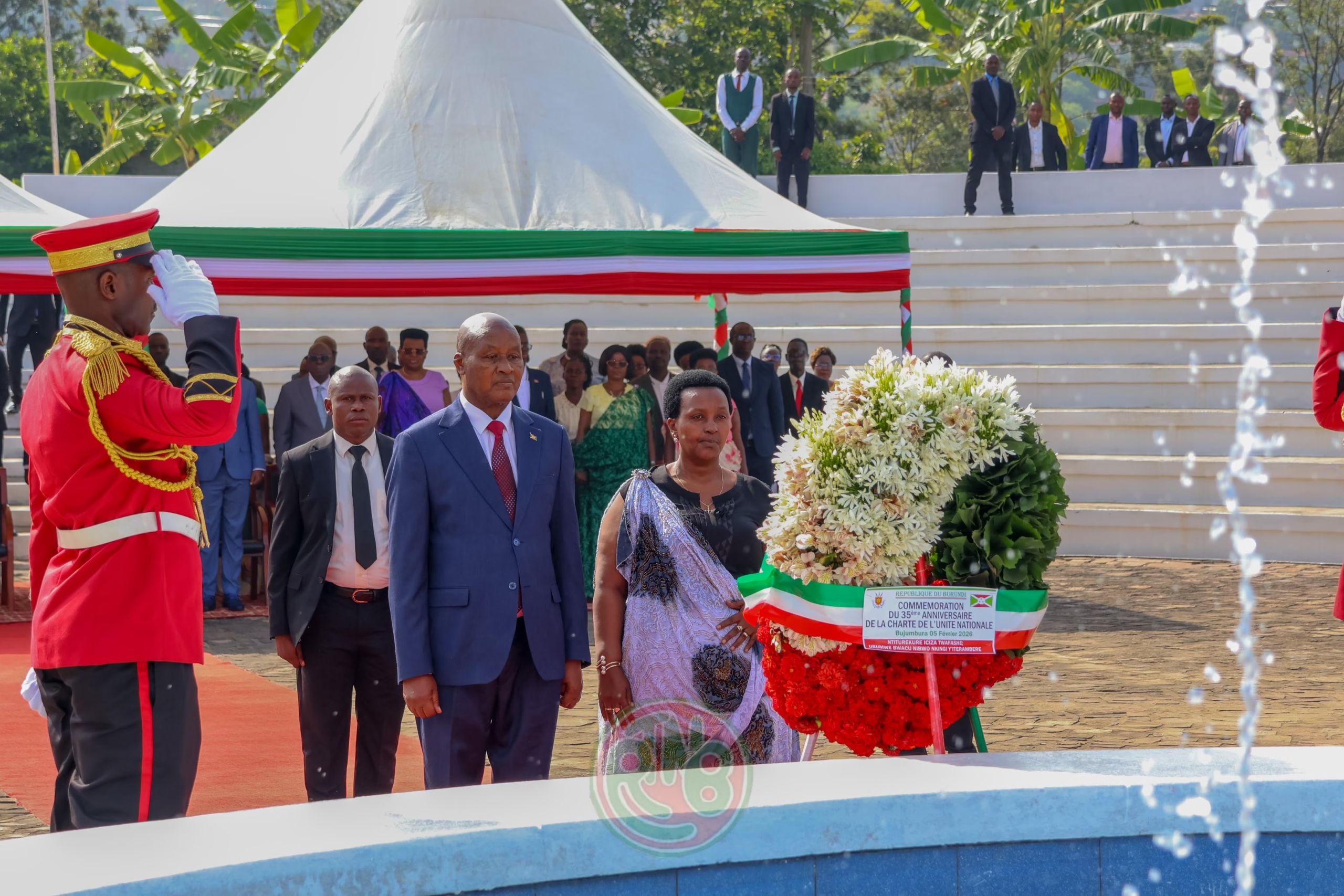
BUJUMBURA, Burundi (Burundi Times) — Burundi on Feb. 5 marked the 35th anniversary of the National Unity Charter under the theme “Let us not loosen the good we have achieved; national unity is the pillar of development,” with official ceremonies held at the National Unity Monument on Vugizo Hill in Bujumbura.
The commemoration was attended by senior state officials, including Vice President Prosper Bazombanza, the prime minister, the president of the Senate, and high-ranking members of the defense and security forces. Activities included the laying of a wreath at the monument by Vice President Bazombanza, followed by the collective singing of the National Unity Anthem, performed hand in hand by participants.
Speaking after the ceremonies, former President Sylvestre Ntibantunganya, who currently chairs the National Commission for the Promotion of Unity in Burundi, said the country has made notable progress in strengthening national unity. “Significant steps have been taken in promoting national unity,” Ntibantunganya said, while noting that “important stages remain to be achieved,” particularly through the ongoing work of the Truth and Reconciliation Commission (CVR).
Olivier Nkurunziza, president of Uprona the political party in power at the time the National Unity Charter was adopted said the charter represented a collective commitment by all Burundians. He said national unity is rooted in cultural values and ancestral traditions, adding that “despite political challenges experienced in the past, the Burundian people have always remained united.”
Nkurunziza also pointed to visible progress, citing “the absence of armed conflict and the peaceful coexistence among citizens.” He said Burundians now live together in a climate of social harmony and called on every citizen to preserve and strengthen national unity, stressing that the consolidation of peace and social cohesion “remains a civic duty.”
Burundi’s Constitution identifies national unity, peace, and social cohesion as fundamental principles of the state, obliging public institutions to promote reconciliation and prevent divisions based on ethnicity, region, or political affiliation. Authorities have consistently linked national unity to sustainable development and long-term political stability.
The Truth and Reconciliation Commission is a state-established body mandated to investigate historical injustices and promote national healing through truth-telling, dialogue, and recommendations for reparations. Government officials have described the commission’s work as a key pillar in consolidating peace and preventing the recurrence of past conflicts.