
Nearly 70% of the 2,251 people classified as homeless in Burundi’s 2024 national census were counted in Bujumbura, with men accounting for about 90% of the national total, according to definitive census results published by the government.
The results, published in a decree dated Oct. 20, 2026, recorded 1,576 people without fixed homes in Bujumbura, compared with 400 in Butanyerera, 115 in Buhumuza, 91 in Gitega and 69 in Burunga.
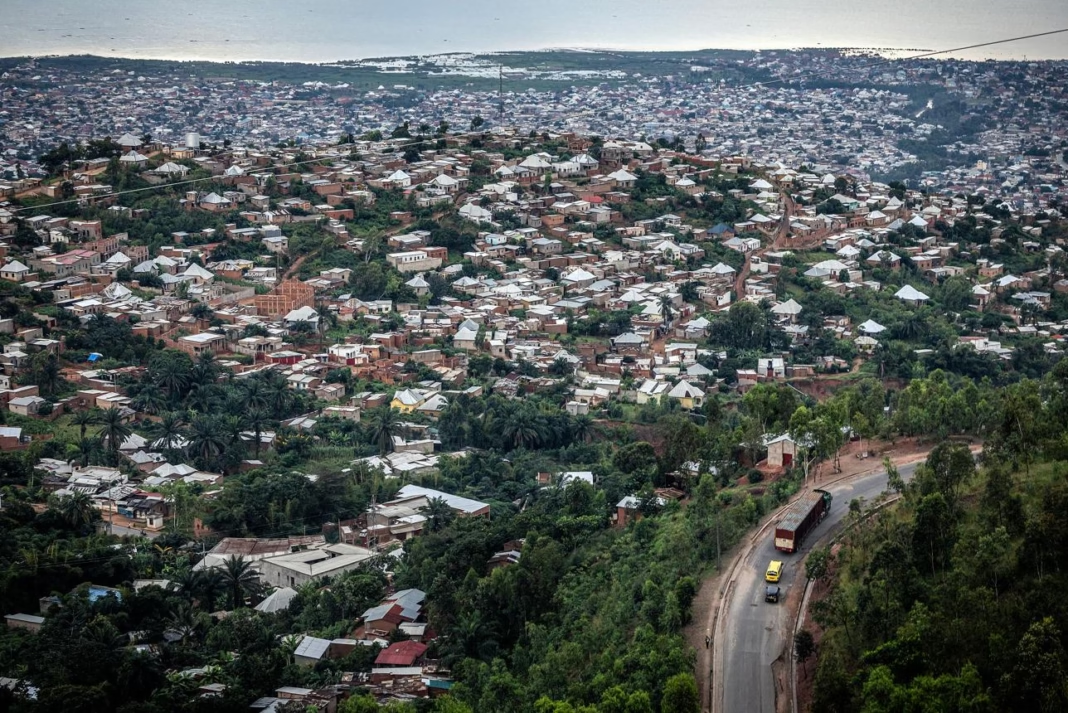
The figures raise questions about the needs of people living without stable housing in the country’s largest urban center, including their access to shelter, health care and social support.
The census tables recorded 2,022 men and 229 women nationwide. They do not, however, explain the circumstances that led those counted to become homeless or indicate how many receive assistance from public authorities or charitable organizations.
Homelessness concentrated in Bujumbura
Two communes in Bujumbura accounted for more than half of the national total. Mukaza recorded 692 people classified as homeless, while Ntahangwa recorded 646.
Together, the two communes accounted for 1,338 people, or about 59% of the national figure.
Bujumbura also recorded 1,406 men and 170 women in this category, according to the census tables.
The concentration in the capital provides a starting point for examining the circumstances of people living without fixed homes, but the figures alone do not establish why homelessness is more prevalent there or whether the pattern reflects migration, poverty, family breakdown or other factors.
Those questions require further investigation and interviews with people experiencing homelessness, social-service providers and local authorities.
How the census counted people without homes
Burundi’s Central Census Bureau conducted a special enumeration of people without fixed homes on the night of Sept. 21, 2024, working with local associations that assist children living on the streets in Bujumbura and Ngozi.
The nighttime exercise was intended to improve the chances of finding people who might otherwise be missed in a conventional household census. Local authorities and security forces also participated in the operation, according to the bureau’s account of the census process.
The published results provide a count of people identified under the census methodology. They do not establish the total number of people experiencing housing insecurity, including those living in overcrowded or temporary accommodation.
The findings leave questions about the extent to which public authorities are addressing the needs of people without fixed homes and whether the census data will inform targeted social support.
The 2024 General Census of Population, Housing, Agriculture and Livestock provides demographic and socioeconomic data intended to inform national development planning.