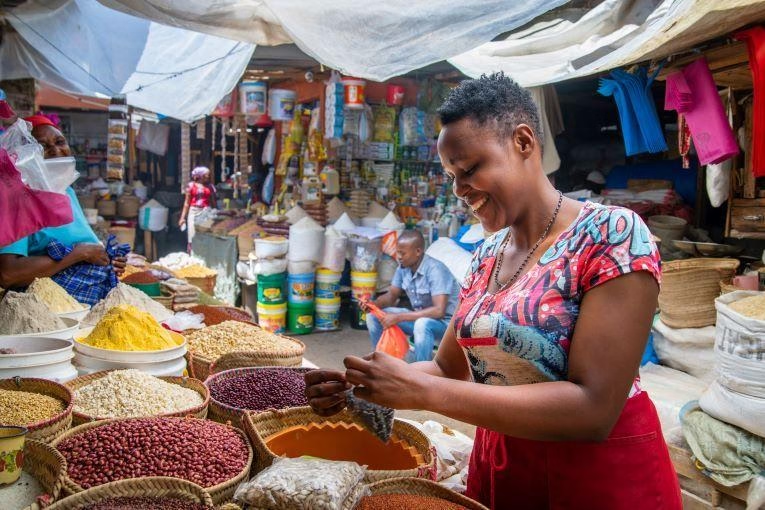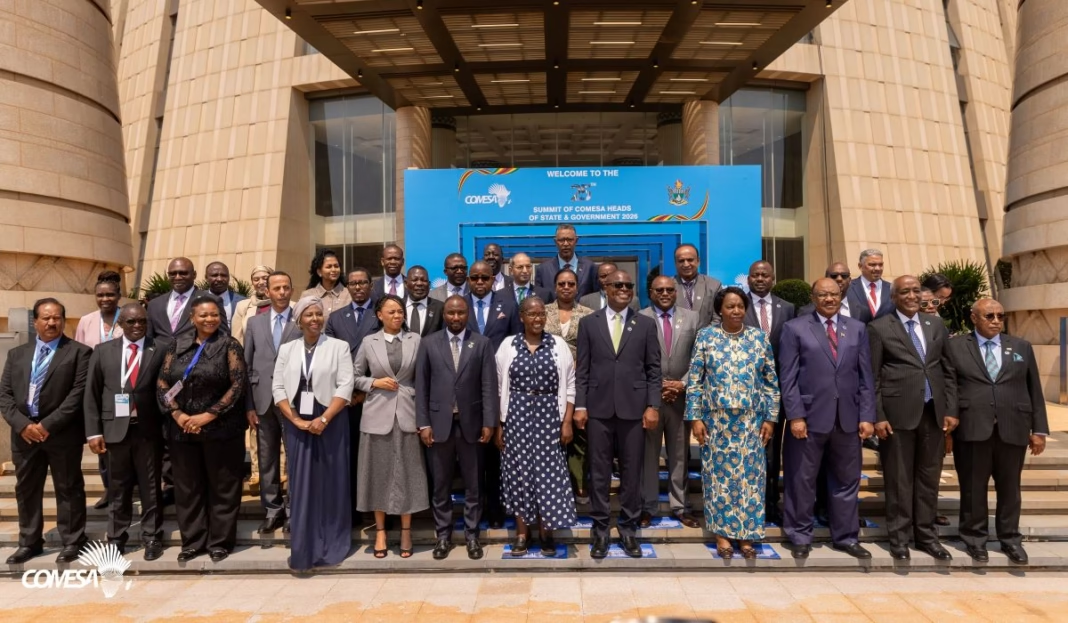


Women and young entrepreneurs across Africa continue to face barriers to finance, technology and markets that could limit their ability to benefit from the African Continental Free Trade Area, the African Union Development Agency-NEPAD said at a regional business forum in Zimbabwe.
Daphine Muzawazi, a principal program officer at AUDA-NEPAD, said expanding opportunities for women and young entrepreneurs was essential to making Africa’s continental trade ambitions translate into business growth and employment.
“The promise of the AfCFTA will only be fully realised when women and young entrepreneurs are equipped to participate meaningfully in regional value chains, access larger markets and benefit from the opportunities of African economic integration,” Muzawazi said in a keynote address at the 19th Common Market for Eastern and Southern Africa Business Forum in Harare on Oct. 20.
Her remarks came during the launch of the COMESA regional program under the Creating Opportunities for Youth and Women in Africa initiative, which aims to help entrepreneurs establish, sustain and expand their businesses.
The program provides for business incubation, entrepreneurship training, digital and financial literacy, mentorship and business development services. It is being implemented through the COMESA Federation of Women in Business, according to Muzawazi’s address.
Finance and market access remain obstacles
Muzawazi said women and young people were important contributors to Africa’s economic transformation but continued to face significant barriers to growing their enterprises.
“Addressing these barriers requires more than policy commitments. It requires practical interventions, strong institutions, and sustained investment in the capabilities of our people,” she said.
The challenges extend beyond establishing a business. Companies seeking to sell across borders may need financing to increase production, meet product standards, obtain testing and certification, and cover transport and distribution costs.
COMESA Secretary-General Chileshe Mpundu Kapwepwe highlighted several of these constraints in a separate address to the forum, saying high financing costs, infrastructure and logistics gaps, and uneven use of regional trade instruments meant that the benefits of integration were not being felt equally by small and medium-sized enterprises, women and young entrepreneurs.
“Non-tariff barriers continue to raise the cost of trading across our borders, and some long-standing cases are yet to be resolved,” Kapwepwe said.
She also said several decisions adopted by COMESA policy organs remained awaiting implementation at the national level.
The remarks highlight the importance of both business support and effective trade arrangements in enabling smaller enterprises to access regional markets.
Programme targets
The COYWA initiative aims to help enterprises survive, grow, create jobs and compete in regional and continental markets, rather than focusing solely on business start-ups.
“Our objective is not simply to support the creation of more enterprises, but to enable more enterprises to survive, grow, create decent jobs and compete effectively in regional and continental markets,” Muzawazi said.
Muzawazi said the program builds on cooperation among AUDA-NEPAD, COMESA, the COMESA Federation of Women in Business and the Spanish Agency for International Development Cooperation.
She also linked the initiative to the African Union’s Agenda 2063, which includes goals for inclusive economic growth and development driven by women and young people.
For women-owned businesses, the initiative’s impact will ultimately depend on whether its support helps enterprises expand production, secure customers and compete beyond their domestic markets.