
Burundi has pledged to ban all forms of corporal punishment by 2028, renewing a commitment to protect children from physical punishment as the government prepares broader reforms to its child protection laws.
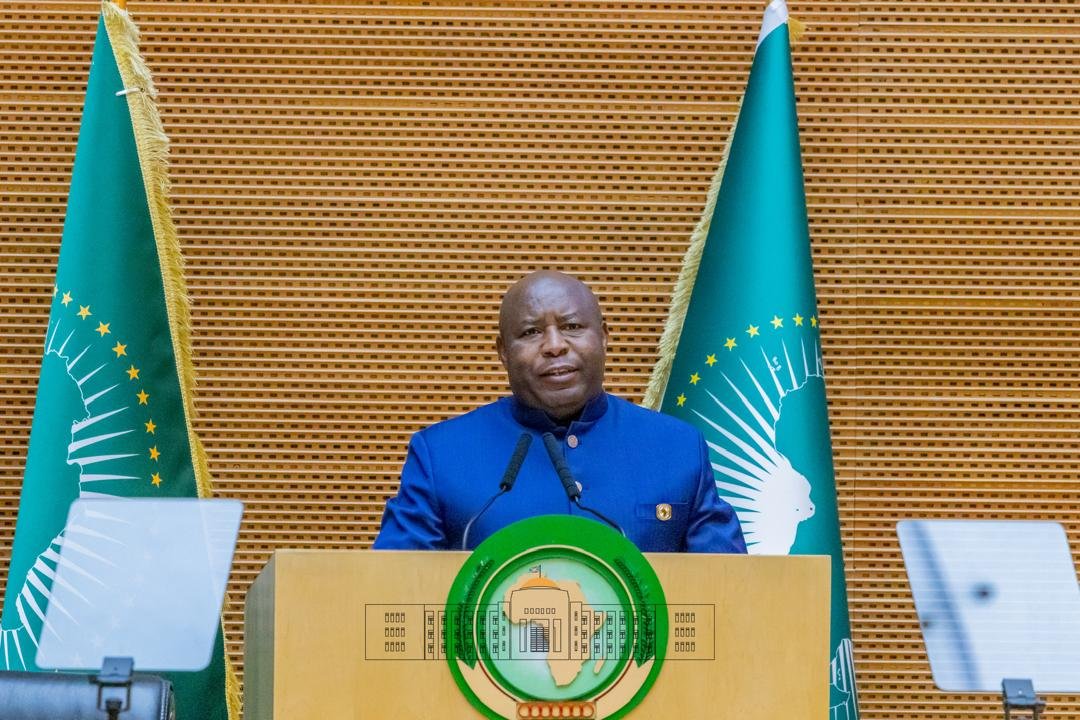
The pledge was announced at the Second Global Ministerial Conference on Ending Violence Against Children, held Nov. 18-19 in Manila, Philippines. Burundi was represented by Justice, Human Rights and Gender Minister Alfred Ahingejeje.
The proposed ban is part of a wider package of commitments that includes revising the Penal Code to strengthen protection against sexual abuse and exploitation, including online threats, and establishing a Child Protection Code.
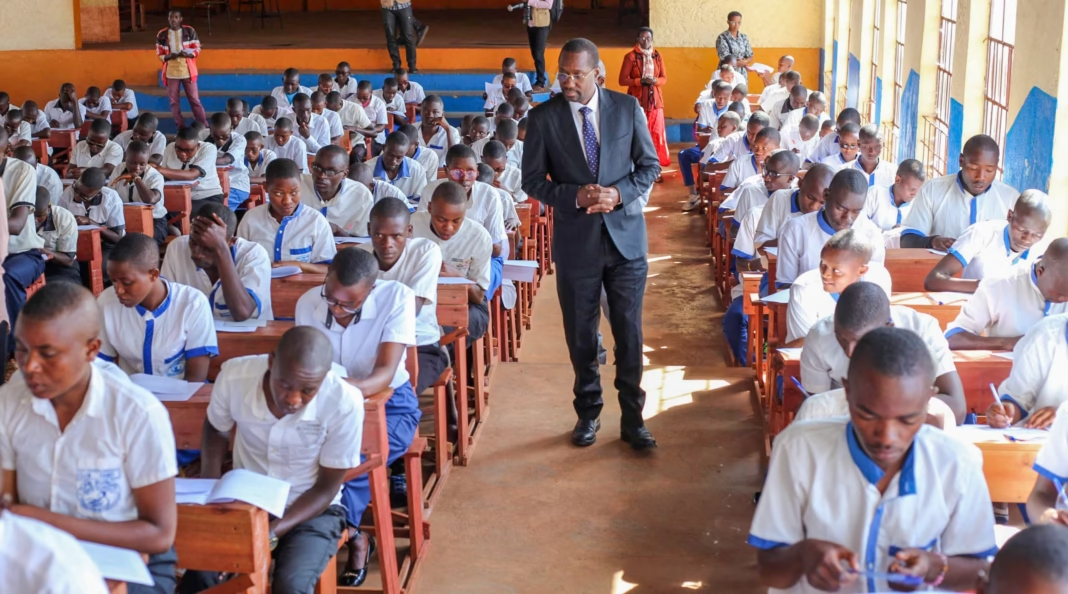
Burundi’s legal framework does not explicitly prohibit corporal punishment in all settings. Corporal punishment remains lawful in the home, while legal provisions against abuse and domestic violence are not interpreted as providing a comprehensive prohibition of physical punishment in child-rearing, according to the Global Initiative to End All Corporal Punishment of Children.
The organization, which is hosted by the World Health Organization, says a full prohibition is still needed in homes, alternative care settings, day care facilities, penal institutions and potentially schools.
The issue has been raised repeatedly by international human rights bodies. In November 2023, the U.N. Committee Against Torture urged Burundi to amend its Penal Code and Code of Persons and the Family to explicitly prohibit corporal punishment in all settings, including homes and day care centers.
The committee also called on the government to promote positive, participatory and nonviolent forms of discipline.
Burundi had previously accepted recommendations to prohibit corporal punishment during its Universal Periodic Review at the U.N. Human Rights Council in 2018 and 2023. It also pledged to enact legislation prohibiting the practice at the first Global Ministerial Conference on Ending Violence Against Children in Bogotá, Colombia, in November 2024.
The latest commitment sets a 2028 target for the prohibition, placing renewed focus on whether the government will translate its promises into legislation and enforceable protections.
“Every child has the right to grow up safe and free from violence. UNICEF welcomes the Government of Burundi’s commitment to making this right a reality,” said Christine Jaulmes, UNICEF’s acting representative in Burundi.
Beyond the proposed legal changes, the government plans to revitalize 500 child protection committees by the end of 2028, reaching 200,000 parents and caregivers in 10 communes through awareness campaigns on positive parenting, psychosocial support and mental health.
It has also committed to establishing an interministerial committee by the end of 2026 to monitor progress in preventing violence against children.
A costed national strategy to end violence against children is expected to be adopted and put into operation by the end of 2027. The government also wants 42 communes to incorporate violence prevention and response measures into their annual workplans and budgets by the end of 2028.
The commitments come amid broader international efforts to strengthen child protection systems. More than 1.6 billion children worldwide experience violent discipline at home every year, according to UNICEF.
Jaulmes said the priority was to turn the commitments into practical measures.
“The commitments announced in Manila are an important step forward. Our shared priority now is to translate them into concrete actions that make a difference in children’s everyday lives,” she said.
The Manila conference, hosted by the Philippine government in partnership with UNICEF and the World Health Organization, brought together government representatives and other partners on Nov. 18-19 to accelerate efforts to prevent violence against children.
Burundi’s pledge will require legislative changes, public awareness and effective enforcement to ensure that children are protected from corporal punishment in every setting.