

BUJUMBURA, Burundi — British Ambassador Alison Thorpe has one year left in her posting in Burundi. In an interview with Burundi Times, she discussed the United Kingdom’s priorities in the country, the 2027 elections, investment opportunities, the conflict in eastern Democratic Republic of Congo and Burundi’s chairmanship of the African Union. She also reflected on her time in the country.
The interview has been edited for length and clarity.
Q: You have served as the United Kingdom’s ambassador to Burundi for nearly three years. What have been your main priorities, and what would you still like to achieve before your assignment ends?
A: I have one year left in my tenure, and there are three main priorities.
The first is strengthening the relationship between the UK and Burundi. I have focused on making an already strong relationship even stronger by ensuring that we are more present and visible. That is not just about me but about my whole team.
Previously, Burundi was largely managed from Kigali. Now, we have colleagues visiting regularly from Rwanda, bringing expertise, particularly in health and humanitarian issues, and exploring how we can work together more effectively.
The second priority is supporting Burundi’s economic resilience and growth. I am particularly interested in improving the investment climate and encouraging more British companies to explore opportunities here.
The third is supporting British nationals living in Burundi and advancing the UK’s interests. Although we have a small British community, many have lived here for a long time, and it is important that we support them.
Q: At a time when the UK is facing pressure on its development assistance budget, where does Burundi stand in Britain’s development priorities?
A: Our global development budget has shrunk because the UK needs to spend more on European defence in response to Russia’s war in Ukraine.
But a smaller budget does not necessarily mean less impact. In countries such as Burundi, relatively small amounts of money can achieve a great deal through technical assistance, partnerships and catalytic interventions that help attract funding from the World Bank, other development partners or the government itself.
We can help initiate projects and then work with the government and other partners to take them forward.
Because Burundi does not have a dedicated UK development programme, my team has worked hard to secure funding from different parts of the UK system.
This year, the UK provided £2.3 million through the UN World Food Programme for emergency food and nutrition assistance for refugees, alongside £1.1 million through UNICEF for cholera response and Ebola preparedness, which is strengthening Burundi’s health system. We have also agreed another £250,000 through the World Food Programme to support around 8,500 people at risk from El Niño.
I think we have done extremely well, and that is entirely down to my team. They have been very effective in identifying opportunities to support Burundi despite the absence of a dedicated development programme.
Q: Beyond financial assistance, where is the UK providing technical support to strengthen Burundi’s economic institutions?
A: We are doing quite a lot in the tax sector. Our experts are supporting the Office Burundais des Recettes, Burundi’s revenue authority, in developing more effective tax systems for specific sectors.
We have worked on coffee and are now considering support for the mining sector. The idea is to develop tax regimes that respond to the specific needs of these industries, rather than applying a broad approach that may not suit sectors Burundi wants to prioritise for economic growth.
By bringing in experts who understand the details and working alongside local specialists, we can build capacity and strengthen institutions.
The UK previously supported Burundi’s tax institutions before withdrawing. Returning to this area is one way of demonstrating renewed engagement.
Q: What is Britain’s assessment of Burundi’s political and human rights environment ahead of the 2027 elections? What steps would the UK like to see to ensure that the elections are peaceful, credible and inclusive?
A: I think the last elections here were all of those things, or certainly peaceful. I have no reason to believe that next year’s elections will be any different.
The government ministers I have met have reassured me that they expect the elections to be peaceful.
For me, the most important thing is that Burundians can exercise their democratic rights safely and without threats. I see nothing at the moment to suggest that will not happen.
Of course, we will be watching the elections with interest, as we do in all countries holding elections.
Q: Burundi’s chairmanship of the African Union has raised its diplomatic profile. How does Britain view this role, particularly in efforts to address conflicts and tensions across the continent?
A: I think it is great that Burundi is chairing the African Union. It has put Burundi on the map.
The AU chair also attends the G-20, so this is not just about Burundi’s place in Africa but its position globally. Burundi has had the opportunity to participate in some of the biggest international discussions and influence them on behalf of the continent.
I think the president has done some great things as chair, whether on youth, water or security and conflict. African conflicts are extremely difficult to solve, but we have appreciated his efforts to bring parties together, particularly on Sudan and other conflicts.
It has been a great year for Burundi internationally.
Q: The conflict in eastern DRC continues despite several diplomatic initiatives. Does Britain believe the current peace efforts are producing sufficient results, and what more needs to be done?
A: If I had a solution to the Great Lakes conflict, I would probably be very rich or winning a Nobel Prize.
This is one of those conflicts where a lasting solution has proved extremely challenging. But it is encouraging that all parties have recognised the need for a solution that endures rather than a temporary fix. We have seen temporary solutions over the past 30 years, but lasting peace is much harder to negotiate.
The UK is committed to the peace processes, including those led in Washington, Qatar and through the African Union. We are also looking at how we can support AU mediators through our embassy in Addis Ababa, Ethiopia, including by providing skills, research and analytical capacity.
I urge all parties to honour the commitments they have made. Burundi has an important role because it is involved in the conflict but also holds a leadership position through its AU chairmanship. I hope it can use that role to bring fresh momentum to what appears to be a stalled process.
I would like to see more progress. The ceasefire does not always feel like a ceasefire, and we want all parties to honour their commitments.
Commitments were made regarding the Democratic Forces for the Liberation of Rwanda, known as the FDLR, and the lifting of defensive measures by Rwanda and the DRC. We want to see progress on both fronts.
There are some encouraging signs, but the question is how to turn commitments into action and make a tangible difference on the ground.
Q: What opportunities do you see for British companies in Burundi, and what changes would help attract more private-sector investment?
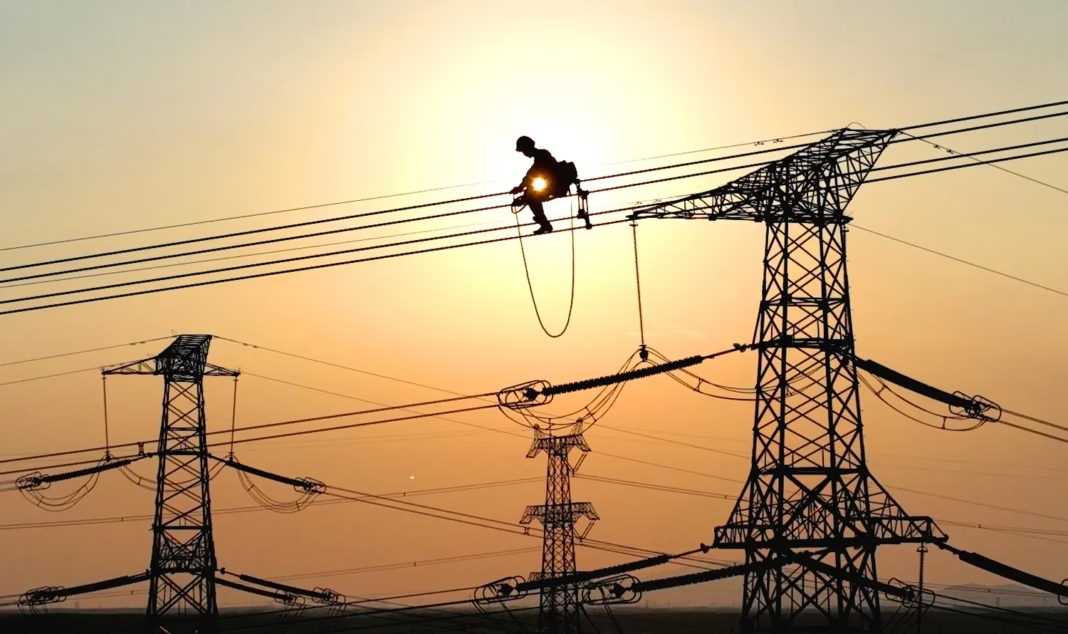
A: I think there are real opportunities for British companies in Burundi, particularly in green energy.
The 25-year public-private partnership with Anzana Electric Group and Weza Power to expand the electricity grid is supported by up to £50 million from British International Investment.
We also have interest from British companies such as DelAgua, which wants initially to invest $1.25 million to deliver 25,000 clean cookstoves. The project would create jobs and support Burundi’s climate ambitions, with the potential to scale further.
When a British investor demonstrates confidence in doing business in Burundi, that sends a strong message to other companies considering the market.
Predictability is particularly important to investors. We, along with other partners, have long encouraged the government to address the exchange-rate issue. That will be important in making investment easier and more attractive.
Every country, including my own, can do more to improve its investment climate. But there are companies that see Burundi’s potential and are willing to invest and grow their businesses here.
Weza Power and Anzana have an ambitious target. They told me they want to bring around 60% of Burundians onto the electricity grid, compared with about 8% currently. That would be a significant increase and could be transformative for the country.
Q: How is Britain helping Burundian coffee and other products access the UK market?
A: Burundi benefits from the UK’s Developing Countries Trading Scheme, which provides tariff-free access to the UK market.
But tariff-free access is only one part of the issue. Products also need to compete on quality and price, while exporters need effective tax and customs systems that allow goods to move efficiently.
We chose to focus on coffee deliberately because we believe the sector has significant export potential.
It needs to become bigger, better and more efficient so that more of the profits return to Burundi.
Q: Burundi faces growing risks from floods, droughts and other climate-related disasters. How can UK support help the country move beyond emergency response toward long-term climate adaptation and disaster preparedness?
A: One project I particularly value is our long-standing partnership with the Burundian Meteorological Office.
Weather patterns have become increasingly unpredictable. That makes it difficult for farmers to know when to plant and harvest. El Niño can also bring drought in one part of the country and flooding in another.
The UK has supported Burundi through a project called Weather and Climate Information Services for Africa, or WISER, which has been active in the country for several years. It provides farmers with advice on weather changes so they can plan their growing cycles and prepare for possible challenges such as flooding and drought.
We have recently received approval for additional funding worth £280,000 this year. This will improve Burundi’s weather stations and data systems, helping the country prepare for disasters before they happen.
Q: Looking back at your tenure, what would you consider your greatest achievement in strengthening the UK’s partnership with Burundi?
A: I think we have done extremely well, and that is entirely down to my team. Because Burundi does not have a dedicated development programme, they have worked hard to identify funding from different parts of the UK system.
That has enabled us to support refugees, respond to cholera, strengthen preparedness for Ebola and help Burundi improve its resilience to climate-related disasters.
We have also worked to strengthen partnerships and provide technical expertise, particularly in health, humanitarian assistance and meteorological services.
Q: When your assignment ends, what would you like Burundians to remember about Alison Thorpe, the person, rather than Alison Thorpe, the ambassador?
A: I would like them to remember that I was genuinely a friend of Burundi.
When I arrived, I said I wanted to strengthen the relationship and make the UK more present. I have tried to do more during my three years here than my predecessor had been able to do.
I hope I have achieved that, although Burundians will be the better judges.
Q: Have you had the opportunity to explore Burundi beyond official engagements? Which places or experiences have particularly impressed you?
A: We have been to Gitega, which was amazing. We visited the drummers at Gishora, which I loved, although I was terrible at drumming.
I have also spent quite a lot of time in cafés by the lake. I have yet to take a boat on the lake, and I would like to do that.
Burundi is beautiful. It has water, it is beside a huge lake, and it is a beautiful country.
When you look across the lake and see the DRC on the other side, it really brings home how interconnected the region is and how transformative peace would be.
Q: Finally, what will you take away with you from Burundi?
A: Hopefully, a better ability to drum!
But I think it will be the people. Burundians have been so warm, friendly and kind, even when listening to my very bad French.
They have a real energy and joie de vivre, and that will be my lasting memory of Burundi.