
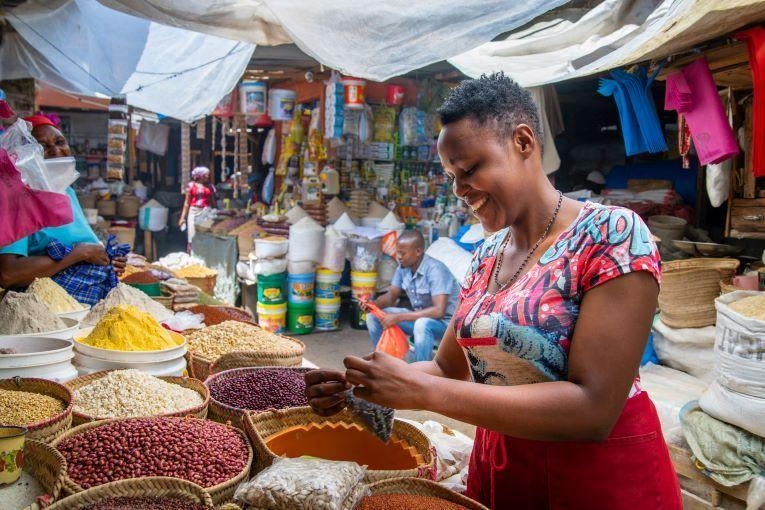

Limited access to financing is constraining the growth of small businesses across developing economies, threatening their ability to expand operations and create jobs, as a new World Bank report estimates the financing gap for micro, small and medium enterprises at $4 trillion.
The funding shortfall, which increased from $3.6 trillion in 2019 to $4 trillion in 2023, highlights the difficulties smaller businesses face in obtaining credit despite their importance to employment and economic activity.
The findings could have implications for Burundi, where improving access to finance, strengthening businesses and creating jobs remain critical to private-sector development.
Micro, small and medium enterprises account for 90% of businesses and 75% of workers in emerging market and developing economies, according to the World Bank. Yet many struggle to secure loans because of limited financial records, inadequate collateral and the cost of assessing smaller borrowers.
The financing constraints can prevent businesses from investing in equipment, increasing production, entering new markets or hiring additional workers.
The World Bank estimates that obtaining a formal loan can increase a firm’s employment by an average of 12%, while sales and profits rise by about 18%, underscoring the potential economic cost of businesses being unable to access financing.
“MSMEs face four major constraints to growth: they are invisible to financial systems because they lack a digital footprint of their transactions, disconnected from markets and services, burdened by regulatory complexity, and chronically underfinanced,” said Pablo Saavedra, World Bank Group vice president for prosperity.
In Burundi, efforts to address financing constraints include initiatives targeting small businesses and improving their access to markets and financial services.
The International Finance Corp., the World Bank’s private-sector arm, is supporting a project aimed at improving MSME competitiveness and access to finance in Burundi. The initiative includes developing regulatory frameworks for local content and factoring, as well as a digital platform connecting smaller businesses with large buyers, initially focusing on agribusiness, tourism and selected value chains, including mining.
The project, which runs through June 2028, places particular emphasis on women- and youth-owned businesses.
The World Bank’s financing findings come as developing countries face pressure to create employment for a growing workforce. About 1.2 billion young people in developing countries are expected to reach working age over the next 10 to 15 years.
The bank launched a new MSME strategy in October aimed at expanding financing through banks, fintech companies and governments. It plans to use risk-sharing arrangements, equity investments, digital tools and regulatory reforms to address barriers facing smaller businesses, particularly in fragile and conflict-affected economies.

