

Burundi could significantly expand electricity access under a $1.4 billion power distribution partnership involving international investors, with British Ambassador Alison Thorpe saying the project aims to increase electricity access to 60%.
In an exclusive interview with Burundi Times, Thorpe said the ambition of Anzana Electric Group and its local partner, Weza Power, could transform electricity access in a country where limited connections and unreliable supply continue to constrain businesses, industries and households.
She said the companies had presented an ambition to increase electricity access from approximately 8% to 60%.
“I mean, compared to where we are now, which I think they said was 8%, that is a massive increase, and we’ll be game changing for Burundi,” Thorpe said.
Her remarks come after the Burundian government and Weza Power signed a 25-year public-private partnership on Oct. 15 to expand electricity distribution across the country.
The agreement is expected to mobilize $1.4 billion in financing and provide new or improved electricity access to about 8 million people through more than 1.2 million household and business connections.
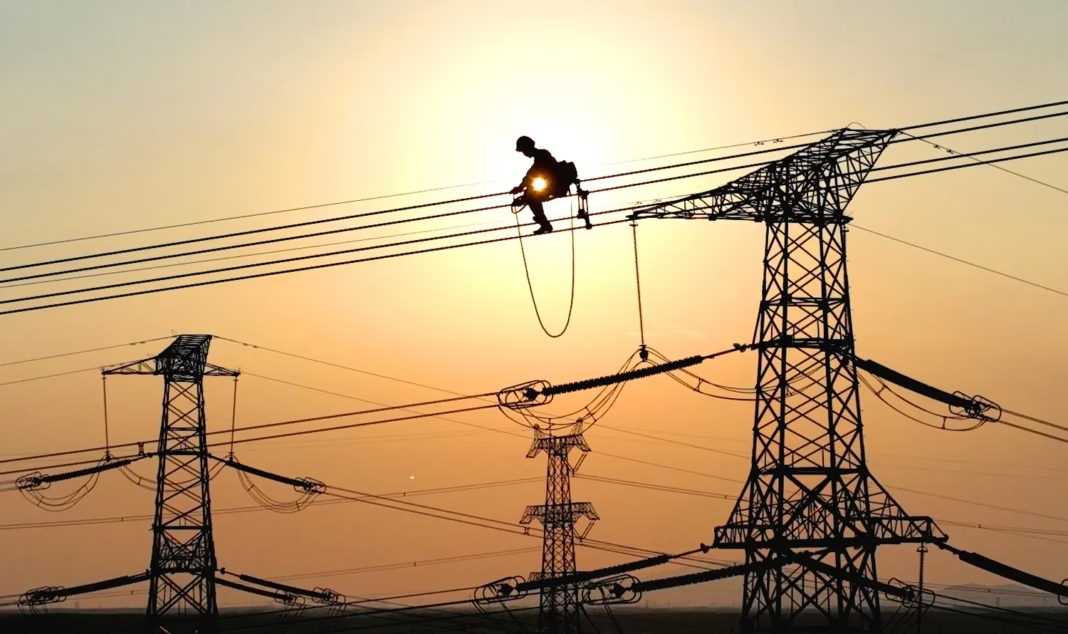
Weza Power plans to build or upgrade 52,000 kilometres of distribution lines and expand electricity distribution in approximately half the country. State-owned utility REGIDESO will retain responsibility for the other half and continue operating the national transmission network.
The project also aims to reduce power outages, improve voltage stability and modernize electricity metering and billing systems.
British International Investment, the UK’s development finance institution, is expected to provide up to £50 million in support as part of the wider financing structure.
The expansion comes as Burundi continues to face substantial electricity access challenges.
A World Bank energy access diagnostic report published in December 2025 found that 26% of Burundian households had access to electricity, including 8% connected to the national grid and 18% relying on off-grid solutions, mainly solar systems. The figures are based on a 2021 household survey.
The report also highlighted a significant urban-rural divide. About 75% of urban households had electricity access, compared with 22% in rural areas.
Reliability remains another challenge for existing consumers. The World Bank found that 54% of households reported unpredictable electricity interruptions, while 21% experienced voltage problems. It also found that 37% of households with electricity received less than eight hours of supply daily.
Weza Power was established through collaboration involving the Burundian government, Anzana Electric Group and the International Finance Corporation. Anzana signed an interim agreement with the government in December 2023 to launch the project’s pilot phase before the wider partnership was finalized.
The U.S. International Development Finance Corporation announced a $3.1 million technical assistance grant in October 2024 to support the development of Weza Power and its initial electrification activities.
Beyond electricity distribution, Thorpe identified green energy as one of the most promising investment opportunities for British companies in Burundi.
She cited British company DelAgua, which is interested in an initial $1.25 million investment to distribute 25,000 clean cookstoves, with potential benefits for employment and the country’s climate ambitions.
Thorpe said the electricity expansion could also strengthen investor confidence but stressed the importance of a predictable business environment.
“What investors want is predictability, more than anything,” she said, identifying exchange rate uncertainty as one of the issues Burundi needs to address to attract further investment.
Expanding electricity access is central to Burundi’s ambitions to develop its industrial and private sectors, particularly as businesses continue to face constraints associated with unreliable power supply and limited infrastructure.


