
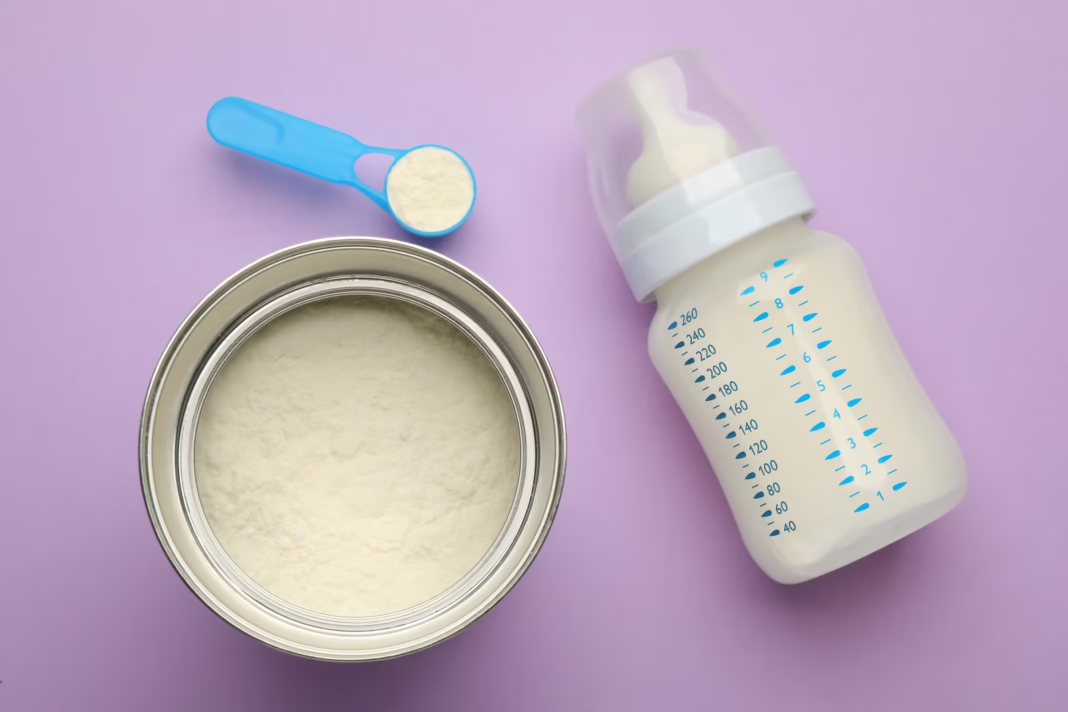

The COMESA Competition and Consumer Commission has issued a public warning following the recall of several brands of infant milk, including Aptamil and Nursie products, over concerns they may contain a potentially harmful toxin.
In a notice dated April 8, the commission said it had been alerted to multiple recalls involving infant formula products distributed across several markets, citing the possible presence of cereulide, a toxin that can cause nausea, vomiting and abdominal cramps at elevated levels.
“The Commission wishes to bring to the attention of consumers in all COMESA Member States the risks associated with the consumption of the above recalled products,” the agency said in its statement.
The alert follows a recall by Nutricia Southern Africa of specific batches of Aptamil Nutribiotik 2 and Aptajunior Nutribiotik 3, affecting nearly 3,000 units. According to South Africa’s National Consumer Commission, a raw material used in the products “may contain traces of cereulide.”
The affected products were sold in South Africa through major retailers and distributed since August 2025, with exports also reaching Botswana and Namibia, the statement said.
Separately, Moroccan food safety authorities also flagged several batches of Aptamil and Nursie infant milk, warning they were “likely to contain cereulide and can cause digestive disorders.” Authorities in Morocco have since seized the products and plan to destroy them after the recall process is completed.
The commission said the affected brands are marketed across parts of the Common Market for Eastern and Southern Africa, including Mauritius, Egypt and Tunisia, through distributors such as Danone and Carrefour.
It added that similar recalls had already been carried out in Europe earlier this year, where several batches of Aptamil and Cow & Gate infant milk were also found to contain the toxin.
Consumers across COMESA member states including Burundi, Kenya, Uganda and the Democratic Republic of Congo have been urged to exercise caution and report any availability of the recalled products to authorities.
“The Commission continues to work closely with the Member States to ensure that any affected consumers are informed and provided the necessary redress,” it said.