
The Embassy of Burundi in South Africa has urged its nationals to exercise heightened vigilance and avoid protest areas amid a surge in demonstrations and reported attacks targeting foreign nationals across parts of the country.
In an advisory issued April 26, 2026, from Pretoria, the embassy called on Burundians to “remain cautious, avoid areas affected by unrest, and strictly follow instructions from local authorities.” It added that nationals should “regularly update the embassy on the situation in their respective areas” to facilitate timely assistance if needed.
The embassy also warned citizens against participating in protests, emphasizing the need to comply with South African laws during the current period of instability. The advisory comes as demonstrations linked to economic grievances and immigration tensions have been reported in Gauteng and other urban centers.
The move places Burundi among a growing number of African countries taking precautionary steps as concerns mount over the safety of their citizens in South Africa.
Context
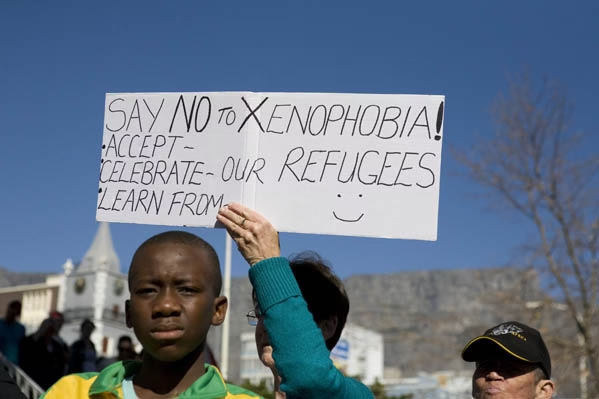
The warning follows a fresh wave of xenophobic incidents that have drawn regional and diplomatic concern. In recent days, governments including Ghana have formally protested attacks on their nationals, describing them as “disturbing xenophobic” acts, while South African authorities have pledged a crackdown on those responsible.
Diaspora groups and officials have reported violent anti-foreigner protests in cities including Cape Town and Durban, with planned demonstrations in Gauteng between April 27 and 29, prompting safety advisories urging migrants to stay indoors and avoid central business districts.
The developments reflect a broader, long-standing pattern. According to the United Nations High Commissioner for Refugees, South Africa hosts more than 167,000 refugees and asylum seekers, including many from Burundi and the Democratic Republic of Congo, while facing persistent challenges linked to anti-foreigner sentiment.
Human rights reporting indicates that xenophobia remains a structural issue, with migrants continuing to face harassment, restricted access to services and periodic violence fueled by unemployment, inequality and political rhetoric.
Analysts say the convergence of economic pressure, organized anti-immigrant mobilization and recurring protest cycles has made foreign nationals particularly vulnerable during periods of unrest—prompting embassies, including Burundi’s, to issue increasingly urgent safety advisories.