
Burundi has recorded 1,238 cholera cases since the start of the year, according to the World Health Organization, highlighting the continued spread of a disease that health officials say remains a major public health threat in the East African nation.
The WHO said the cases were reported nationwide through June 7, prompting ongoing response efforts by the government and humanitarian partners to contain transmission and prevent further infections.
“Since the beginning of the year, Burundi has been facing a cholera outbreak, with a cumulative total of 1,238 cases recorded nationwide as of June 7,” the WHO said in its latest update.
The outbreak reflects a steady increase in infections reported in recent months. In April, the International Federation of Red Cross and Red Crescent Societies reported more than 800 cumulative cholera cases in Burundi, with new infections concentrated in parts of Bujumbura and surrounding districts. Health authorities have since continued surveillance and treatment efforts as additional cases emerged. According to the IFRC, an outbreak initially reported in the lakeside district of Nyanza-Lac was quickly brought under control, but transmission later spread to other communities.
Cholera is an acute diarrheal disease caused by consuming food or water contaminated with the bacterium Vibrio cholerae. While most infections are mild, severe cases can lead to rapid dehydration and death if treatment is not administered promptly. The WHO says the disease is closely linked to inadequate access to safe drinking water, sanitation and hygiene services.
Public health experts say Burundi’s outbreak is unfolding against a broader regional resurgence of cholera across Africa. The WHO African Region has reported recurring outbreaks in numerous countries, driven by population displacement, extreme weather events, inadequate water infrastructure and cross-border movement. Burundi was among the countries reporting increased cholera activity during recent regional assessments.
The country has faced repeated cholera outbreaks for decades, particularly in communities located along Lake Tanganyika and in densely populated urban areas where access to clean water and sanitation services remains limited. Seasonal rains and flooding can further increase the risk of contamination of water sources, creating conditions favorable for the spread of the disease.
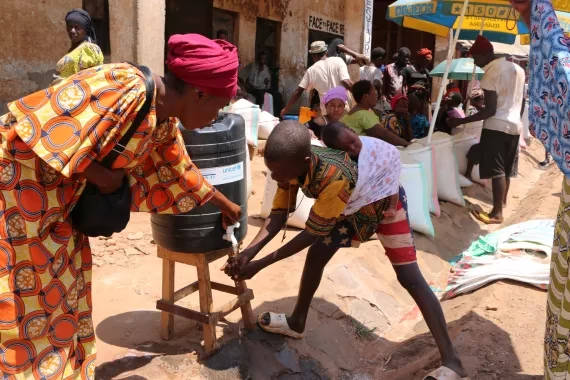
Health authorities, supported by the WHO, the Burundi Red Cross and other partners, have intensified case detection, treatment and community awareness campaigns. Residents are being urged to practice frequent handwashing, use safe drinking water and seek immediate medical attention if they develop symptoms such as acute watery diarrhea and vomiting.
Across the globe, cholera has re-emerged as a growing concern after years of progress in reducing the disease. The WHO says dozens of countries continue to report outbreaks, with Africa bearing a disproportionate share of the burden. Factors including climate-related disasters, conflict and weak water and sanitation systems have complicated efforts to eliminate the disease and protect vulnerable populations.
For Burundi, health officials warn that sustained investments in water, sanitation and hygiene infrastructure will be critical to preventing future outbreaks and reducing the risk of further spread in the months ahead.