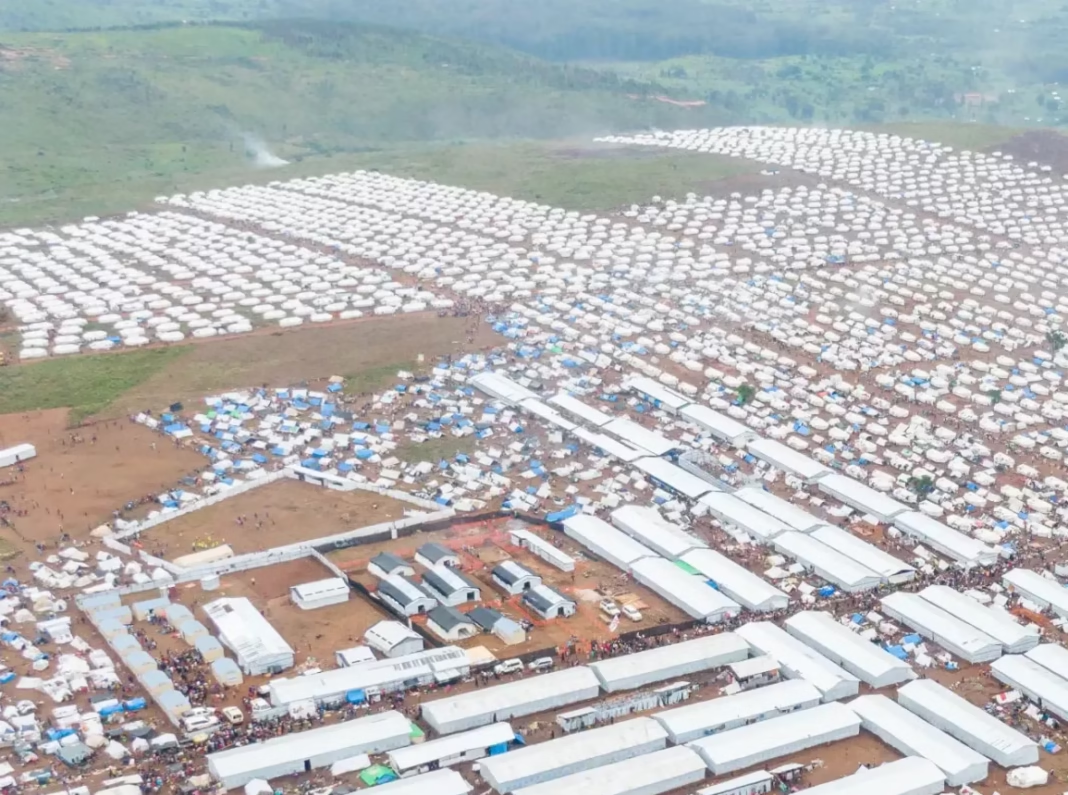

A looming suspension of food assistance for more than 130,000 refugees in Burundi could have consequences extending well beyond refugee camps, increasing pressure on surrounding host communities already facing economic and food security challenges, the United Nations World Food Programme (WFP) warned Monday.
The agency said it urgently needs US$35 million to continue providing food and nutrition assistance to refugees through August 2027. Without additional funding, food distributions are expected to stop entirely from October 2026, leaving tens of thousands of predominantly Congolese refugees without their primary source of food.
The warning comes as Burundi continues to host refugees fleeing renewed violence in eastern Democratic Republic of the Congo (DRC), with humanitarian agencies cautioning that funding shortages are undermining their ability to meet growing needs.
“Refugee families have already escaped from violence with little more than what they could carry. They came to Burundi looking for safety and something to eat, but now even that lifeline is at risk,” said Arduino Mangoni, WFP’s acting country director in Burundi.
“For people who cannot safely return home and have few ways to support themselves, WFP food assistance is not optional, it is what keeps families alive,” he added.
While the immediate impact would be felt by refugees, WFP said the consequences could also spread to neighbouring communities. As food assistance declines, refugees with few opportunities to earn an income may increasingly depend on already scarce local resources or adopt harmful coping strategies, potentially placing additional strain on host communities.
The agency warned that families could be forced to choose between food, shelter, healthcare and other basic needs if assistance ends. Humanitarian organisations have previously noted that reduced aid can increase competition over jobs, firewood, farmland and other essential resources in areas hosting displaced populations.
Burundi has seen a sharp rise in refugee arrivals since fighting intensified in eastern DRC in late 2025. According to WFP, more than 100,000 people crossed into Burundi during the latest wave of violence, more than doubling the number of refugees the agency supports in the country. Although some refugees have since returned voluntarily to the DRC, continued insecurity has prevented many from going home and could trigger further displacement if the conflict worsens.
The latest funding crisis comes as humanitarian agencies worldwide grapple with declining donor contributions despite rising displacement caused by conflict and climate-related emergencies.
According to the UN refugee agency (UNHCR), Burundi hosts one of the largest refugee populations in the Great Lakes region, with most refugees originating from the DRC. Many have lived in camps for years with limited access to employment and remain heavily dependent on humanitarian assistance for food, healthcare and other essential services.
Burundi itself continues to face significant food security challenges. The 2025 WFP Annual Country Report found that 94% of households in Burundi cannot afford a nutritious diet, highlighting the broader economic pressures facing both refugees and the communities that host them.
Mangoni urged donors to act before assistance is interrupted.
“We urgently appeal to donors and the international community to act now,” he said. “A break in food assistance would come at the worst possible moment for families who have already lost so much. Timely funding will allow WFP to keep food moving, protect the most vulnerable and help prevent a humanitarian emergency from deepening in a region already under strain.”
If no new funding is secured, October would mark the first time WFP is forced to halt food distributions entirely for refugees in Burundi because of resource shortages, raising concerns that the humanitarian impact could extend beyond refugee settlements into surrounding communities already under economic strain.