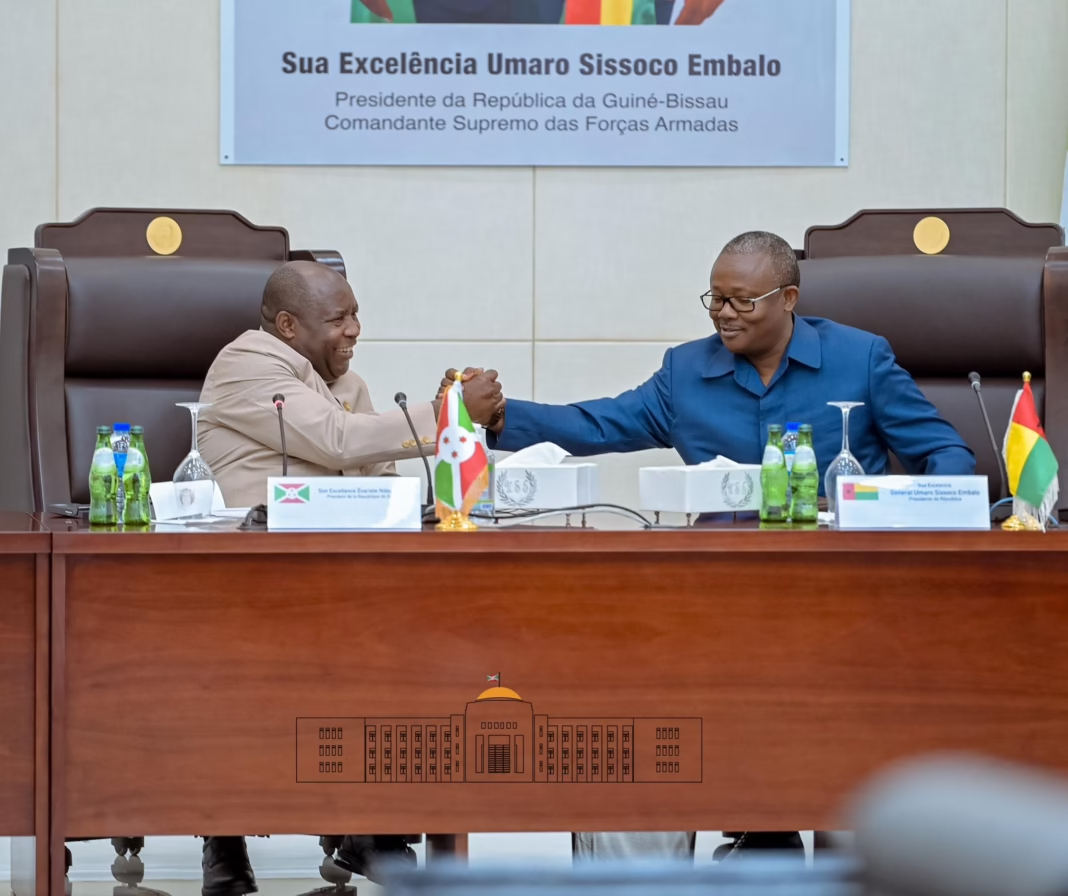

BISSAU — Burundi President Évariste Ndayishimiye’s state visit to Guinea-Bissau has deepened relations between the two nations, culminating in a visa exemption agreement for all passports, a framework cooperation pact, and an accord on political consultations.
The agreements, announced this week by the Burundian presidency, follow Guinea-Bissau President Umaro Sissoco Embaló’s visit to Bujumbura in May 2025, marking a reciprocal effort to strengthen diplomatic, political, and economic ties.
The visa waiver is expected to boost travel between the two countries, facilitating business, official visits, and cultural exchanges. “Both presidents welcomed the sincere friendship between Burundi and GuineaBissau and reaffirmed their commitment to strengthening the bonds of solidarity and cooperation between their peoples,” Burundi’s Presidency wrote in a statement.
Analysts say the framework cooperation agreement could pave the way for collaboration in agriculture, trade, and security. Burundi, with its fertile land and experience in coffee and tea exports, offers opportunities for Guinea-Bissau, which relies heavily on cashew production and is seeking to diversify its economy. In return, Burundi could benefit from Bissau’s access to Atlantic trade routes and its strategic position within the West African bloc ECOWAS.
The political consultations deal signals intent to coordinate positions on regional and global platforms. “Both countries face similar development challenges and can amplify their voices by speaking in unison on international issues,” said a political observer in Bujumbura.
While trade volumes between the two countries remain limited, officials believe the agreements mark the beginning of a more structured partnership. For Bujumbura, the outreach could help ease its relative isolation in African diplomacy, while Bissau gains a stronger ally from the Great Lakes region.
The two leaders are expected to follow up on the accords with sectoral meetings in coming months, as both nations look to translate political goodwill into tangible economic and social gains.