
Burundi is among four East African countries set to benefit from new U.S. funding aimed at strengthening preparedness against Ebola as neighboring countries continue to respond to ongoing outbreaks in the region.
The U.S. Department of State announced an additional $20 million in funding for Ebola preparedness efforts in Burundi, Kenya, Rwanda, and South Sudan, describing the move as part of a broader regional strategy to prevent the disease from spreading beyond affected areas.
“The Department is announcing $20 million in additional funding toward the Department’s ongoing Ebola response and preparedness efforts,” the State Department said in a statement, adding that the new allocation brings “the total direct funding for the Department of State’s Ebola response to more than $220 million.”
According to the statement, the funding will support preparedness activities in countries surrounding the current outbreak, with a focus on strengthening national response systems and improving early detection capabilities.
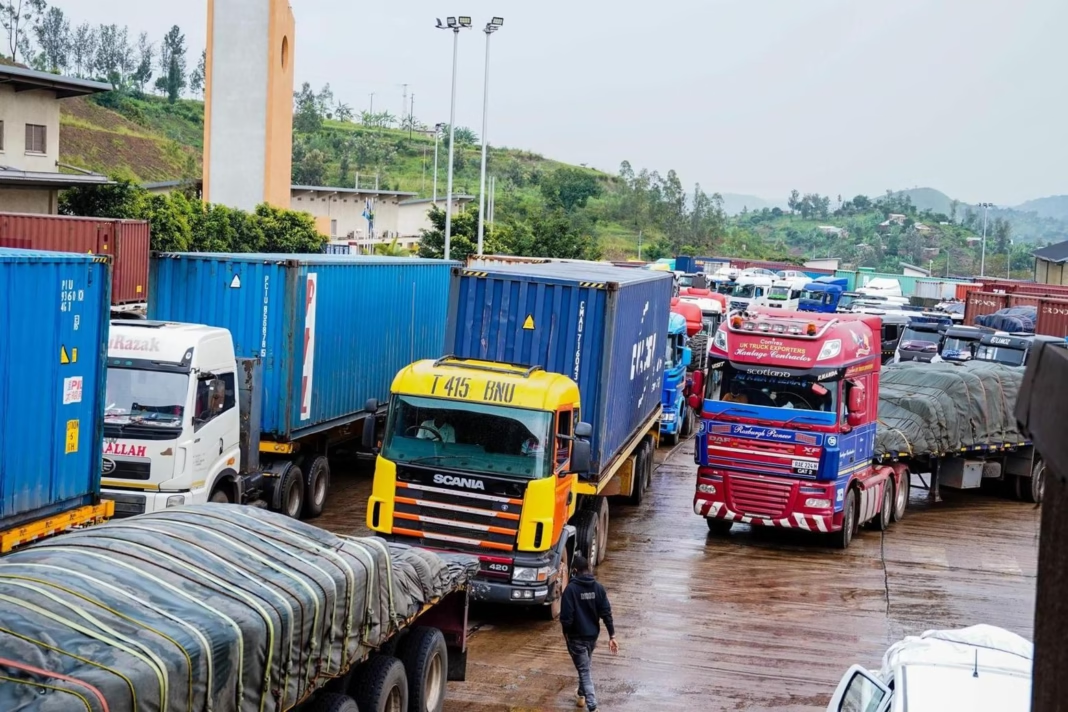
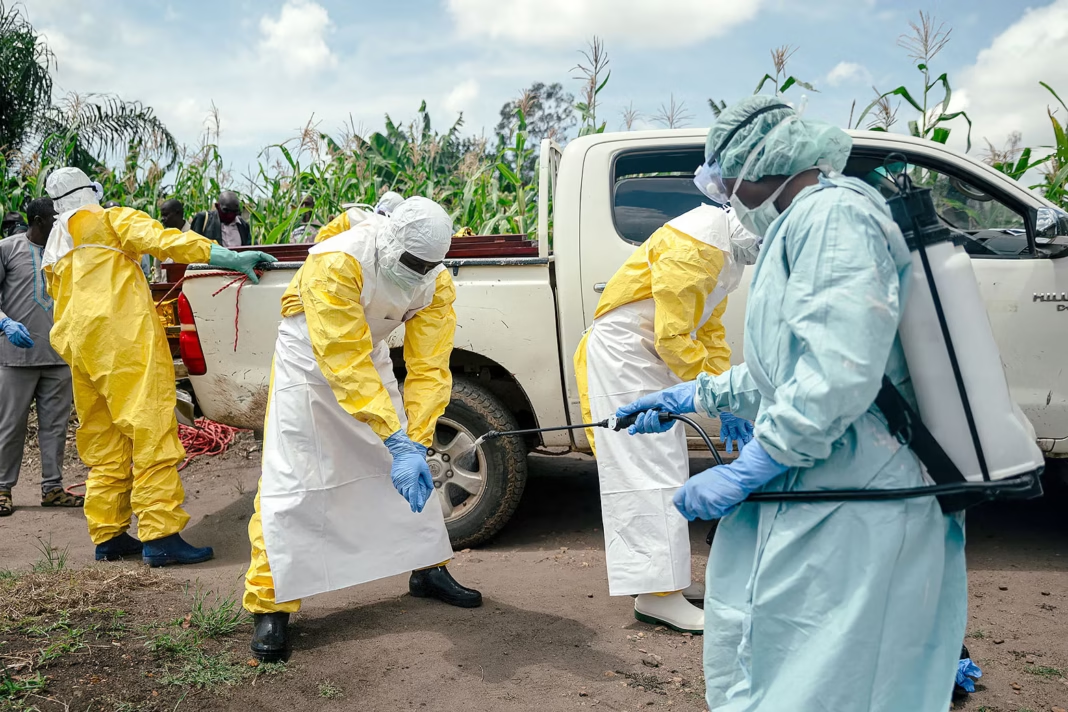
U.S.-funded programs will support national emergency operations centers and enhance capacities for surveillance, testing, border screening, and infection prevention and control. The funding will also help procure and distribute critical medical supplies and prepare health systems to manage potential Ebola patients.
“U.S.-funded preparedness activities will support national emergency operations centers; enhance capacities for surveillance, testing, border screening, and infection prevention and control; enable procurement and distribution of critical commodities; and prepare countries to manage potential patients with Ebola disease,” the statement said.
The announcement comes as health authorities across the region continue to monitor cross-border risks associated with Ebola outbreaks in the Democratic Republic of the Congo (DRC) and neighboring countries.
The State Department said it is coordinating closely with the U.S. Centers for Disease Control and Prevention (CDC), regional governments, and international partners to support response and preparedness efforts.
Officials emphasized that preparedness remains a key priority in countries bordering outbreak zones, where rapid detection and response can help prevent wider transmission.
Beyond the newly announced funding, the United States noted that it has also committed hundreds of millions of dollars in humanitarian assistance to support Ebola response activities and broader humanitarian needs in the region.
“The United States continues to be the largest financial contributor to the Ebola response,” the State Department said.
The funding is expected to strengthen Burundi’s readiness to detect and respond to any potential Ebola cases through improved surveillance systems, laboratory testing capacity, border health measures, and infection prevention programs.
Health experts have long stressed that investments in preparedness are critical for countries neighboring Ebola-affected areas, as early detection and rapid response remain among the most effective tools for preventing outbreaks from spreading across borders.