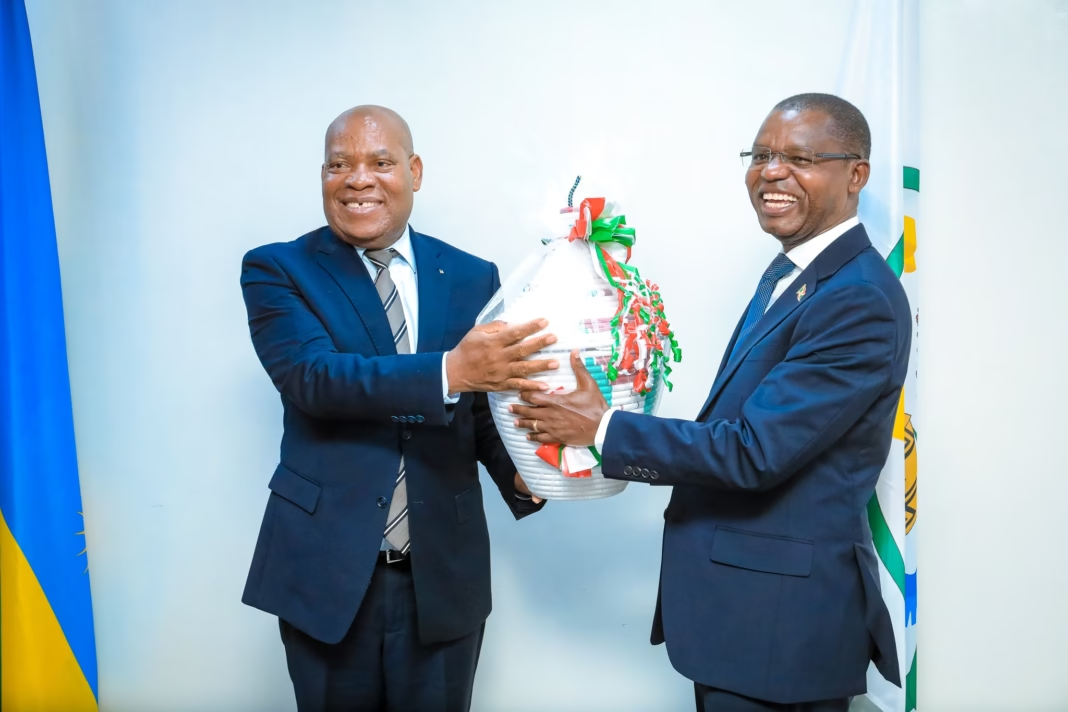

Gitega — Senate leaders from Burundi and Rwanda met in Gitega on June 20 in a bid to ease tensions that have strained the two nations since 2015. Burundi’s Senate President Emmanuel Sinzohagera hosted Rwanda’s Senate President François‑Xavier Kalinda, accompanied by Rwanda’s Vice Presidents Soline Nyirahabimana and Dr. Mukabaramba Alvera. The focus: strengthening bilateral ties through parliamentary diplomacy.
The encounter marked a deliberate step towards rebuilding dialogue via legislative channels, a strategy both sides see as pivotal in restoring trust. Kalinda and Nyirahabimana emphasized the Senate’s critical role in fostering collaboration and diplomatic exchanges.
Background of Bilateral Strain
The relationship between Burundi and Rwanda began deteriorating sharply in 2015, following President Pierre Nkurunziza’s move to seek a third term. Rwanda openly criticised the decision, and both nations accused each other of supporting rebel groups. In October 2015, Burundi expelled a Rwandan diplomat, accusing Kigali of fostering domestic unrest. In early 2024, Burundi closed its land borders indefinitely, alleging Rwanda’s support for the RED‑Tabara rebel faction.
Relations deteriorated further in March 2025 when Burundi’s President Évariste Ndayishimiye accused Rwanda of “credible intelligence” indicating plans for an attack, prompting Kigali to label the claim “surprising” and emphasise ongoing security cooperation.
The Stakes of Parliamentary Engagement
Parliamentary diplomacy is viewed as a neutral, structured channel to rebuild mutual confidence. By engaging at a legislative level, both governments aim to depoliticize cooperation and foster sustainable frameworks for dialogue. Experts note the strategy builds on past inter-parliamentary efforts, including joint East African Community engagements .
Successfully revitalizing parliamentary ties could encourage incremental progress—resuming border operations, cooperation in trade and security, and even advancing joint initiatives within the East African Community. In recent years, both parliaments have pursued diplomatic outreach, such as Burundi’s hosting of EAC parliamentary seminars and Rwanda’s Senate leader’s participation in regional legislative forums .
What Lies Ahead
Observers say the June meeting is symbolic but its follow-through will matter most. Sustained inter-parliamentary exchanges, shared legislative workshops, and combined diplomatic missions could help thaw relations—but success hinges on political will from both executive branches.
Until then, the legacy of mistrust—including unresolved allegations of rebel sponsorship, border closures, and military apprehensions—casts a long shadow. But today’s dialogue offers a hopeful counterpoint, suggesting that shared legislative efforts may pave a path toward normalization—if both sides remain committed.
Today’s meeting signals a rekindling of official contact. If parliamentary links can be strengthened and sustained, they may open a route for broader reconciliation—though deep-seated suspicions and security concerns still stand in the way.