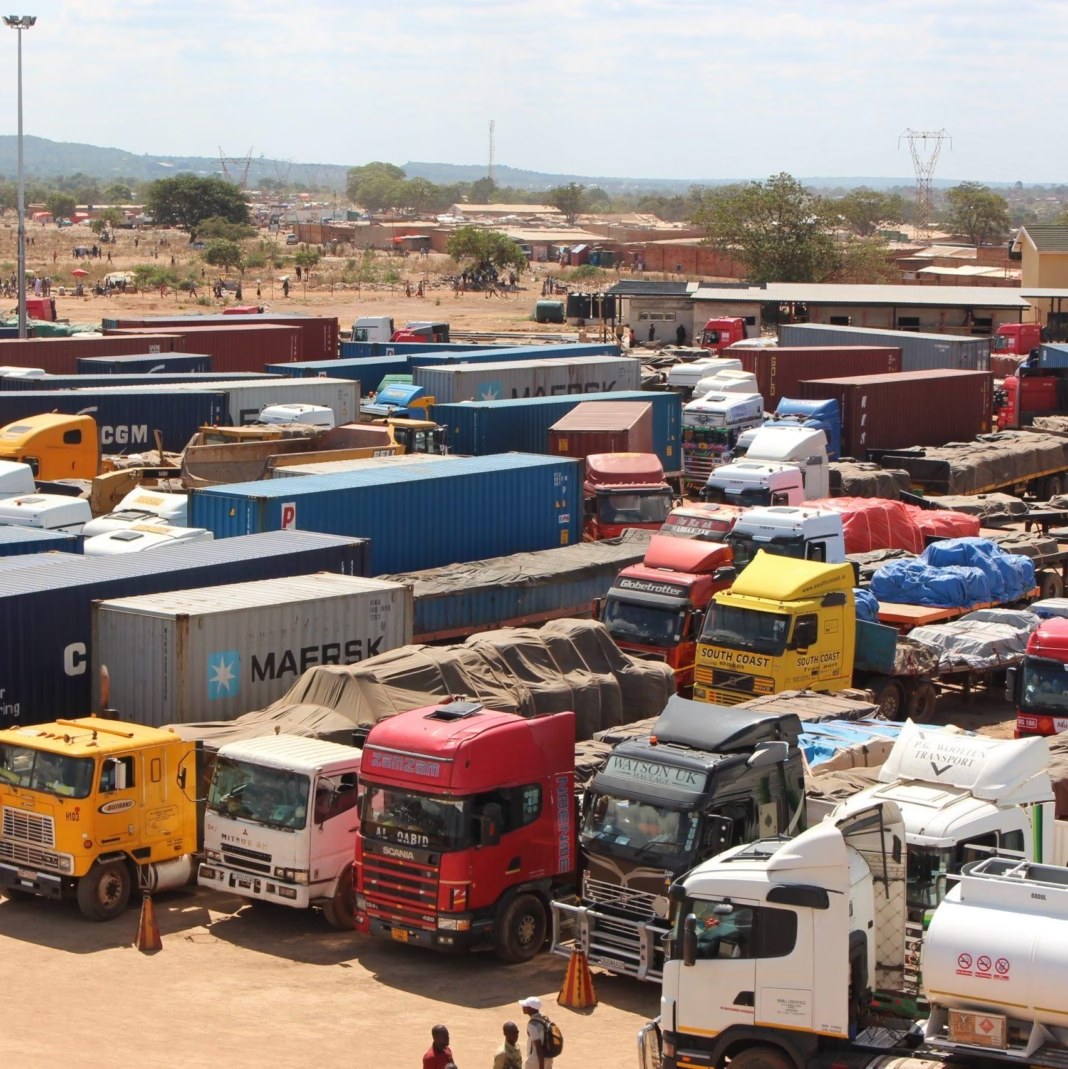


Burundi’s prolonged fuel crisis is leaving businesses and consumers vulnerable to further economic pressure as global commodity prices are forecast to rise sharply this year, threatening to increase import costs, transport expenses and food prices.
The World Bank said Wednesday that global commodity prices are projected to rise 23% in 2026, with energy prices expected to increase 32% as conflict in the Middle East disrupts oil supplies and depletes global inventories.
The forecast adds to challenges facing Burundi, which has struggled with persistent fuel shortages for nearly six years. Limited foreign exchange, difficulties securing imports and unreliable fuel supplies have disrupted transportation and business operations, while electricity outages have further constrained activity in the commercial capital, Bujumbura.
The World Bank’s latest Commodity Markets Outlook warns that rising energy costs and trade disruptions could worsen inflation, food insecurity and economic growth, particularly in countries exposed to external supply shocks.
“Commodity markets are being hit by several major shocks at once,” said Ayhan Kose, the World Bank’s deputy chief economist and director of its Prospects Group.
“Higher energy costs and trade disruptions are driving up prices across a broad range of commodities, threatening to worsen inflation, food insecurity, and economic growth,” Kose said.
A fuel crisis that predates the latest conflict
Burundi’s fuel shortages began years before the latest escalation in the Middle East. Limited foreign currency for imports has been a recurring constraint, while the country’s dependence on imported petroleum products leaves it exposed to disruptions in international supply chains.
The effects have been visible across the economy. In April, a fuel shortage disrupted public transportation in Bujumbura, leaving buses immobilized and commuters struggling to reach work. In September, SOS Médias Burundi reported that prolonged electricity outages were forcing businesses to reduce or suspend operations, while fuel shortages limited their ability to use generators.
The Middle East conflict has added another layer of risk.
According to the Famine Early Warning Systems Network (FEWS NET), Burundi received about 13.5 million liters of petrol and 9 million liters of diesel in March 2026, equivalent to roughly 35% and 56%, respectively, of estimated national requirements.
The shortages increased transport costs and contributed to differences in food prices between surplus-producing areas and urban markets that depend on supplies transported from elsewhere, FEWS NET reported in June.
The figures illustrate the scale of the supply constraints at that time, although they do not establish current national fuel availability.
Higher oil prices could increase import pressure
The World Bank forecasts that Brent crude oil will average $91 per barrel in 2026, up from $69 in 2025, before easing to $79 in 2027.
For Burundi, higher international prices could increase the cost of securing petroleum supplies, placing additional pressure on foreign exchange demand and the businesses that depend on reliable fuel deliveries.
The extent of that impact will depend on import financing, exchange rates, supply arrangements and domestic pricing policies. The World Bank’s projected 32% increase in global energy prices does not mean that Burundi’s fuel prices or import bill will rise by the same percentage.
Fuel scarcity already imposes costs beyond the official pump price. When supplies are unavailable through formal distribution channels, consumers may turn to informal sellers, while transport operators face delays, higher procurement costs or reduced activity.
Those pressures can spread through the economy as transport becomes more expensive and businesses struggle to move goods or maintain normal operations.
Food and fertilizer costs add to the risks
The potential impact extends to agriculture and food distribution. The World Bank expects fertilizer prices to rise 14% in 2026, while food commodity prices are projected to increase about 10% this year and another 7% in 2027.
Higher fertilizer costs can increase farmers’ production expenses, while fuel shortages and expensive transport can make it more costly to bring crops to market.
FEWS NET’s September outlook reported that prices for staple foods in Burundi remained above their five-year averages. Cassava and maize prices were slightly more than 10% higher than their respective five-year averages, while bean and sweet potato prices were around 50% higher.
The agency attributed persistently high prices to production costs, including fertilizer and seed expenses, higher import costs associated with foreign currency shortages, and transportation costs linked to fuel shortages.
FEWS NET also warned that gasoline and diesel shortages and high prices were likely to continue restricting transport-dependent livelihoods and increasing the cost of essential goods.
The World Bank cautioned that the global outlook could worsen if conflict in the Middle East escalates, damage to Russian oil infrastructure persists and disruptions to Black Sea grain shipments intensify.
In an adverse scenario combining these risks with a very strong El Niño, Brent crude could average $105 per barrel in 2027, while food commodity prices could be 12% higher than under the bank’s baseline forecast.
Supply risks remain elevated
Global oil supply is projected to fall 5.2% in 2026, the largest annual decline in more than four decades outside the 2020 global recession, the World Bank said. Oil consumption is forecast to decline 2.5% as high prices curb demand.
With production expected to remain below consumption, continued withdrawals from oil inventories could leave markets more vulnerable to additional supply disruptions.
The World Bank Group said it had made between $50 billion and $60 billion available through existing financing instruments to help countries manage the effects of higher prices. The funding includes $25 billion in prearranged financing and can support social safety nets, government fiscal capacity and working capital and liquidity assistance for businesses and farms.
Overall commodity prices are forecast to decline 7% in 2027 under the bank’s baseline outlook, which assumes no major escalation of conflicts affecting global supplies.