
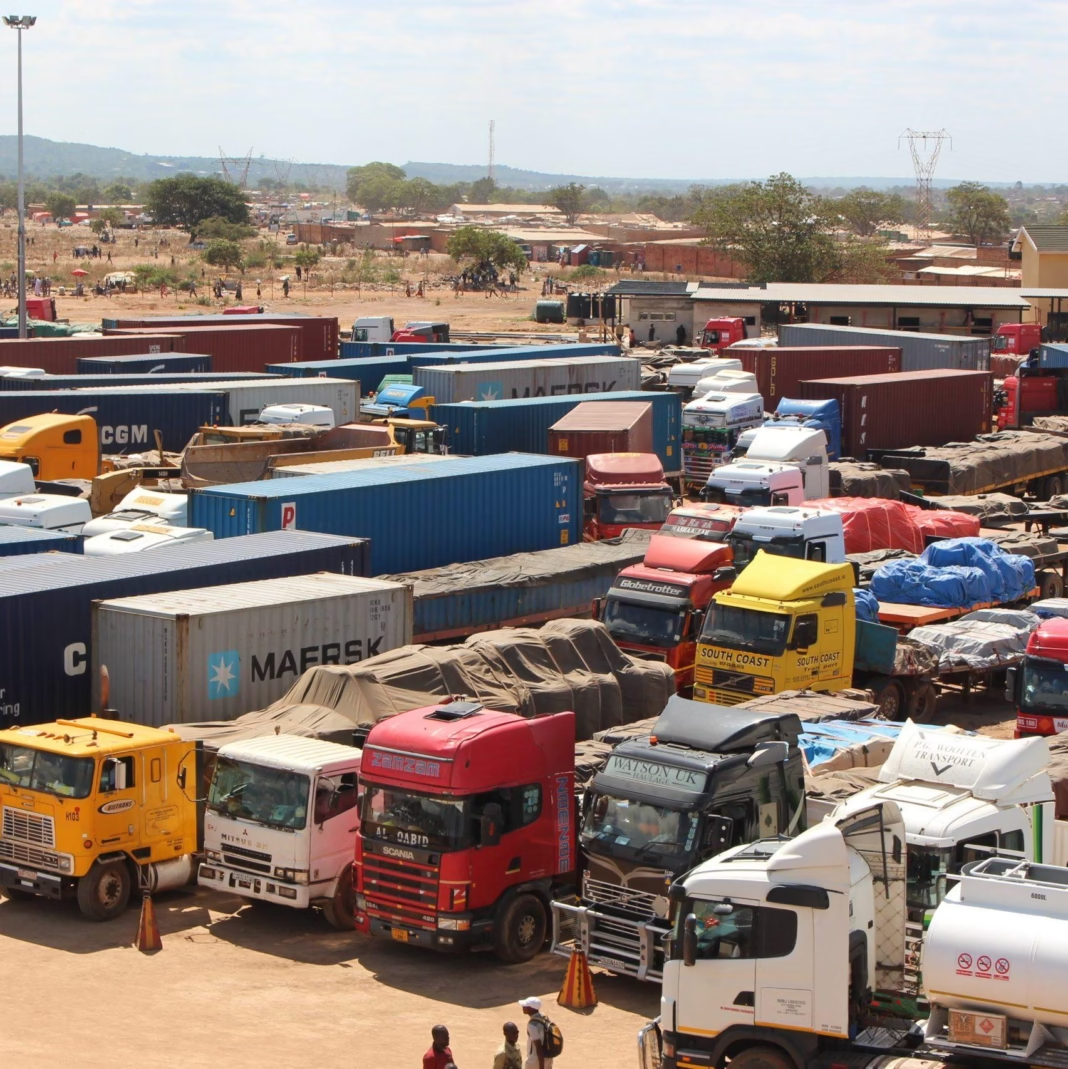

Rising global energy prices threaten to increase transport and production costs for businesses across East Africa, as supply disruptions push commodity prices higher and add to inflation risks, the World Bank said Wednesday.
Global commodity prices are projected to rise 23% in 2026, with energy prices forecast to increase 32% as conflict in the Middle East disrupts oil supplies and depletes inventories, according to the World Bank’s latest Commodity Markets Outlook.
Higher fuel costs can increase freight charges, raise the cost of operating machinery and make imported goods more expensive. Businesses facing higher operating expenses may have to raise prices, accept lower profit margins or reduce spending elsewhere.
“Commodity markets are being hit by several major shocks at once,” said Ayhan Kose, the World Bank’s deputy chief economist and director of its Prospects Group.
“Higher energy costs and trade disruptions are driving up prices across a broad range of commodities, threatening to worsen inflation, food insecurity, and economic growth,” Kose said.
The bank forecasts that Brent crude oil will average $91 per barrel in 2026, up from $69 in 2025, before easing to $79 in 2027. The projected increase would reverse three years of declining energy prices.
Businesses face mounting cost pressures
East African companies that depend on imported fuel, raw materials and agricultural inputs are exposed to fluctuations in global commodity markets. The effects will vary across countries and industries, depending on import dependence, exchange rates, domestic supply conditions and government pricing policies.
In Burundi, fuel supply constraints, foreign currency shortages and high transport costs have put pressure on businesses and household purchasing power, according to reporting by the Famine Early Warning Systems Network.
Further increases in international energy prices could add to those pressures, particularly for transport operators, traders and manufacturers that rely on fuel-intensive operations.
Food and fertilizer costs add to the risks
The projected energy price increase could also have consequences for agriculture and food distribution.
The World Bank expects fertilizer prices to rise 14% in 2026. Food commodity prices are forecast to increase about 10% this year and another 7% in 2027, a cumulative rise of approximately 18% over the two years.
Higher fertilizer prices can increase farmers’ production costs, while more expensive fuel can raise the cost of transporting crops and other goods to market. These pressures could affect food processors, wholesalers and retailers as well as agricultural producers.
The bank warned that the outlook could worsen if conflict in the Middle East escalates, damage to Russian oil infrastructure persists and disruptions to Black Sea grain shipments intensify.
In an adverse scenario in which these risks materialize together, Brent crude could average $105 per barrel in 2027, while food commodity prices could be 12% higher than under the bank’s baseline forecast.
The bank said such a combination could deepen food insecurity and push more people into extreme poverty.
Oil supply remains vulnerable
Global oil supply is projected to fall 5.2% in 2026, the largest annual decline in more than four decades outside the 2020 global recession, the World Bank said. Consumption is forecast to decline 2.5%, as high prices curb demand.
Production is expected to remain below consumption, forcing further withdrawals from oil inventories and leaving markets more vulnerable to additional supply disruptions.
The bank’s projections assume there will be no major escalation in conflicts affecting global commodity supplies. Prices could rise further if those assumptions are not met.
To help countries manage the effects of higher prices, the World Bank Group said it had made between $50 billion and $60 billion available through existing financing instruments, including $25 billion in prearranged financing.
The funding can support social safety nets, strengthen governments’ fiscal capacity and provide working capital and liquidity assistance to businesses and farms.
Overall commodity prices are forecast to decline 7% in 2027 under the bank’s baseline outlook. That projection remains subject to uncertainty over geopolitical developments, energy supplies and agricultural production.