
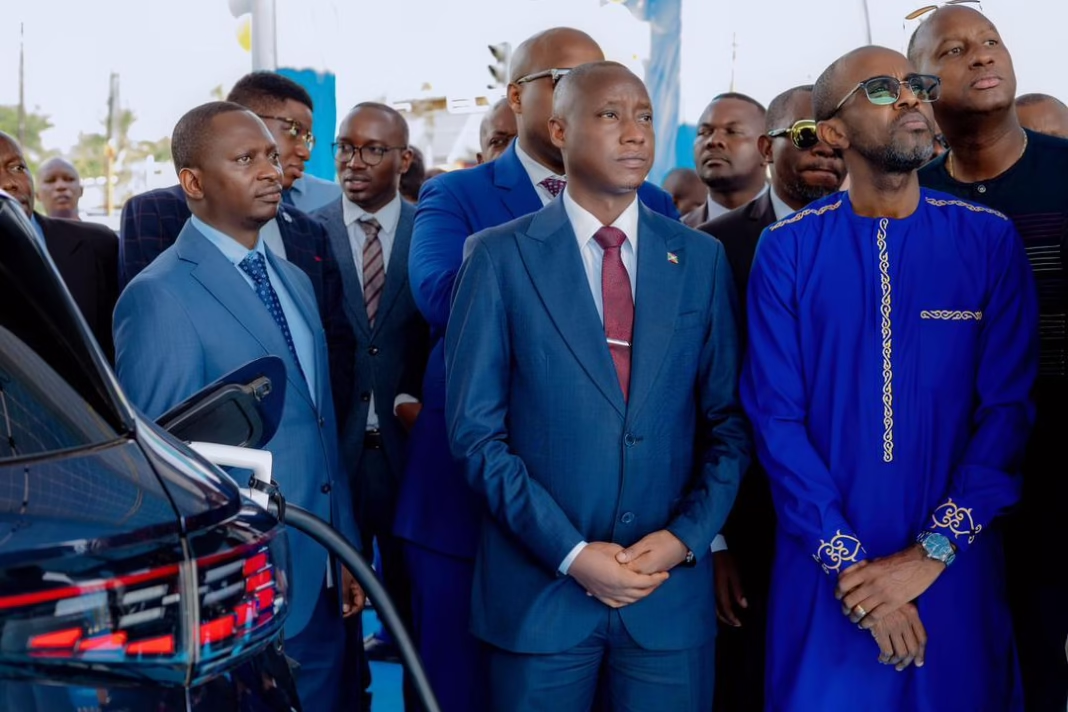

Burundi’s first fast-charging station for electric vehicles powered by solar energy was officially inaugurated on March 13 in Bujumbura, marking a step toward expanding electric mobility infrastructure in the country.
The facility was launched during a ceremony attended by Infrastructure Minister Damien Niyonkuru and Finance Minister Alain Ndikumana, along with representatives of the private sector behind the project.
The charging station was developed by GEM E-Mobility, whose executive director Evrard Havyarimana said the initiative aims to respond to Burundi’s ongoing energy constraints and reliance on imported fuel.
“Burundi faces energy challenges, particularly its dependence on imported fuel,” Havyarimana said during the launch event.
According to him, the solar-powered station can produce up to 120 kilowatt-hours (kWh) of electricity and is designed to charge electric vehicles capable of traveling up to 600 kilometers on a single charge.
“This first solar charging station will allow electric vehicles to operate using locally produced renewable energy,” he said.
Expanding electric mobility
Havyarimana said the project could contribute to lowering fuel costs and expanding mobility options while supporting economic activity.
He added that the deployment of electric mobility infrastructure could also help reduce pressure on imported petroleum products and encourage the development of new transport technologies in the country.
Finance Minister Ndikumana said the project demonstrates the potential for private investment in Burundi’s emerging sectors.
“This infrastructure shows that investing in Burundi holds promise for the future,” Ndikumana said, encouraging investors to support projects that generate economic activity and technological innovation.
He also highlighted the importance of cooperation between the government and private companies in developing infrastructure.
Infrastructure Minister Niyonkuru said electric mobility could contribute to reducing greenhouse-gas emissions and aligns with commitments made under the Paris Agreement.
“Electric mobility is essential for reducing greenhouse-gas emissions and honoring our climate commitments,” he said.
Niyonkuru noted that the government has introduced incentives to encourage the adoption of electric vehicles, including the removal of value-added tax and consumption taxes on such vehicles.
The minister added that the development of electric transport infrastructure is part of Burundi’s long-term development planning aimed at modernizing the economy and strengthening energy resilience.
The launch of the solar-powered charging station comes at a time when Burundi has faced recurring fuel shortages for several years. Supply disruptions have periodically affected transport and economic activity, with long queues often forming at fuel stations across the country. Authorities have attributed the shortages to foreign currency constraints and supply challenges in the import of petroleum products, prompting renewed discussions about alternative energy and transport solutions.