
Burundi had not completed several components of a regional project to integrate East African payment systems when its main grant closed in June, prompting regional lawmakers to call for an accountability audit and a plan to finish the outstanding work.
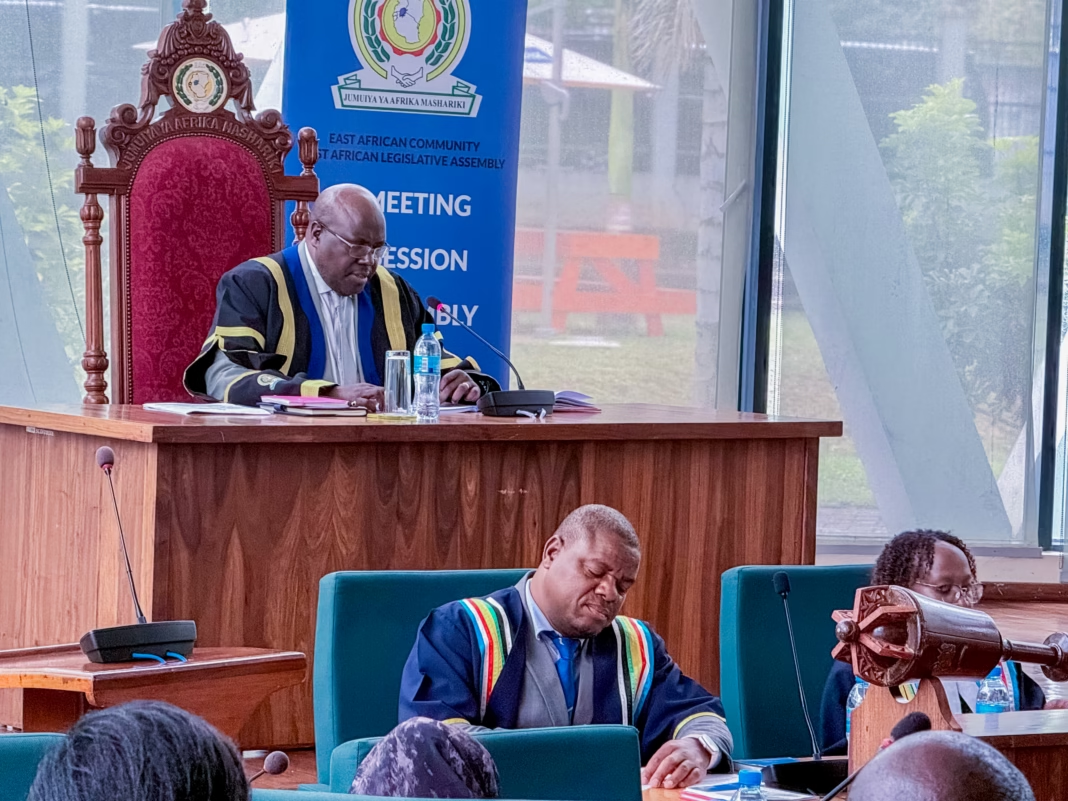
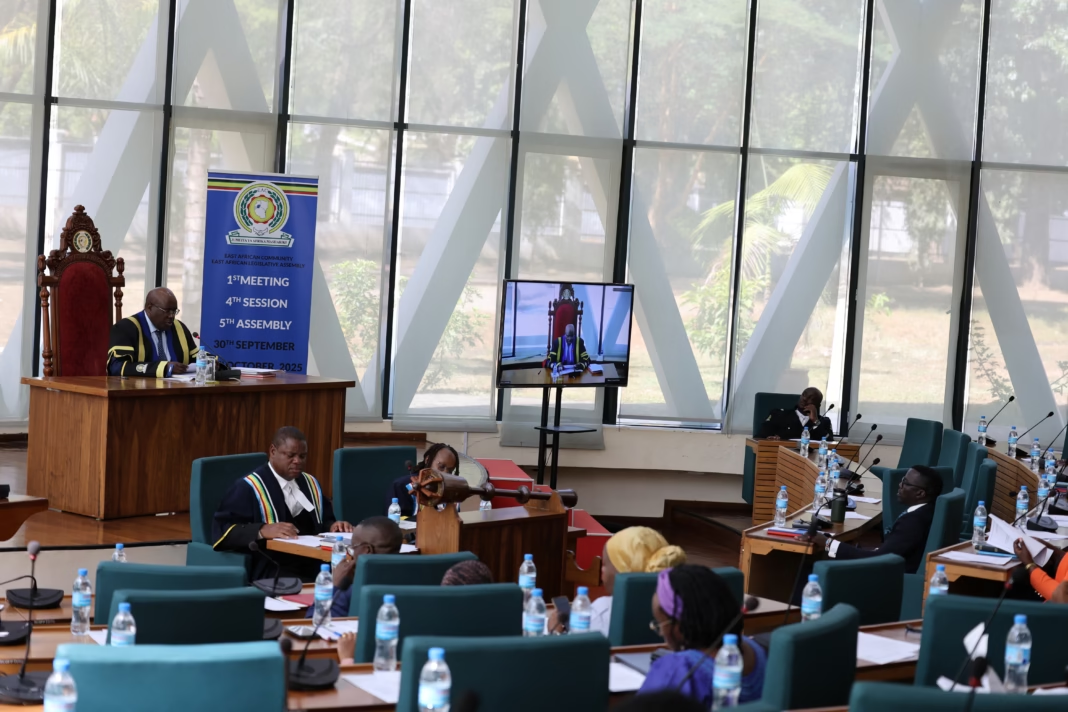
Veronica Babirye Kadogo, chairperson of the East African Legislative Assembly’s Committee on Accounts, presented the findings Thursday following the committee’s oversight visit to Burundi and Uganda from Sept. 21 to 25.
“Clear milestones and timelines for system testing, migration to the production environment, security assurance, and the full operationalisation and utilisation” of the system “had not yet been agreed upon by the relevant stakeholders,” Kadogo told the assembly as she read the committee’s report.
Burundi has pledged to join the East African Payment System by December, but the committee identified unfinished project components, including a backup internet connection intended to supplement the country’s main national link.
The committee recommended that the EAC Council of Ministers order a “comprehensive accountability and value-for-money audit” of incomplete, abandoned or prematurely closed initiatives, including the backup internet line and the payment-incident tracker, Kadogo said.
The audit should be conducted “with a view to determining responsibility and appropriate remedial measures,” she said, reading the report. The committee also called for a costed, time-bound plan to complete Burundi’s outstanding work. Its recommendations are not binding.
Questions over project accountability
The report raised questions about the ownership of equipment purchased under the project and arrangements for its “operation, maintenance, replacement and long-term financing.”
Procurement processes had “not yet been comprehensively reviewed,” Kadogo told the assembly, while project expenditure, outstanding deliverables and residual liabilities had not been adequately clarified.
The findings do not establish that funds were misused. Rather, they identify gaps in documentation and oversight that could make it difficult to determine whether the project delivered value for money and who is responsible for completing the outstanding work.
The African Development Bank approved the $23 million regional grant in 2012. The project began in March 2014, more than a year behind schedule, and was initially expected to finish in 2016.
Despite the delays, the bank rated the overall project “highly satisfactory,” according to the committee’s report. The assessment contrasts with the committee’s findings on unfinished work in Burundi, although the two assessments may cover different aspects of implementation.
Officials of the Bank of the Republic of Burundi told the committee that the country remained committed to joining the regional payment system by December.
They identified unresolved technical and financial arrangements, including a mechanism for converting currencies without using the U.S. dollar as an intermediary, as well as arrangements for holding accounts in the currencies of other partner states and repatriating funds.
The report also presented differing descriptions of Burundi’s readiness. One table classified the country as not yet integrated while describing implementation as “almost completed.”
Domestic payment systems show progress
The committee also documented progress in Burundi’s domestic payment infrastructure.
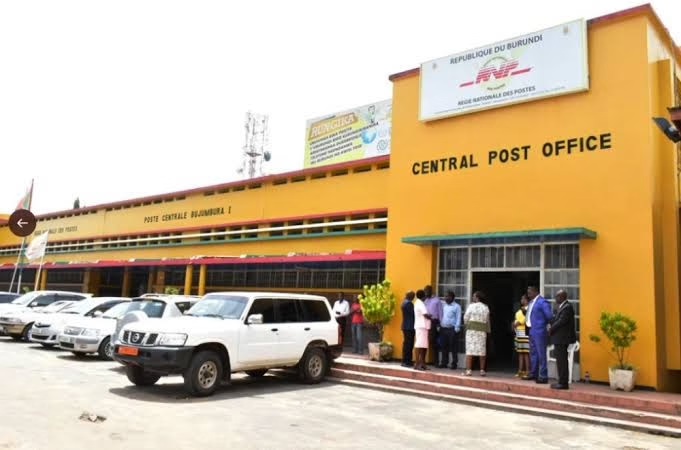
The country’s clearing system handles transfers of up to 15 million Burundian francs, while larger transactions are processed through a real-time gross settlement system. Both systems are used by 15 commercial banks and the national postal administration, according to the report.
BurundiPay, a new instant-payment platform launched April 23, connects eight banks, four payment institutions and 21 microfinance institutions.
However, “participant connection does not prove affordability, usage or inclusion,” Kadogo told the assembly as she presented the committee’s findings.
Burundi’s permanent secretary responsible for East African Community affairs told the committee that institutions were at different stages of readiness, citing limited internet connectivity, inadequate information technology infrastructure and limited technical capacity.
The regional payment system is intended to reduce the cost of cross-border transactions by allowing participating institutions to transfer funds more directly within the region.
Committee members were told that transfers through the system typically cost about $10, compared with $30 or more through the Society for Worldwide Interbank Financial Telecommunication, or SWIFT, excluding currency conversion fees.
The committee’s findings raise questions about the completion of Burundi’s outstanding project components, the costs of addressing the gaps and the arrangements for maintaining the infrastructure after the grant’s closure.