
Ugandan President Yoweri Museveni has announced the postponement of the 2026 Uganda Martyrs’ Day celebrations over fears linked to an Ebola outbreak in eastern Democratic Republic of Congo.
In a statement shared on his official X account, Museveni said the decision followed consultations with the national epidemic response task force and religious leaders.
“After consultations with the national epidemic response task force and religious leaders, we have decided to postpone the Martyrs’ Day to a later date, which will be communicated,” the president said.
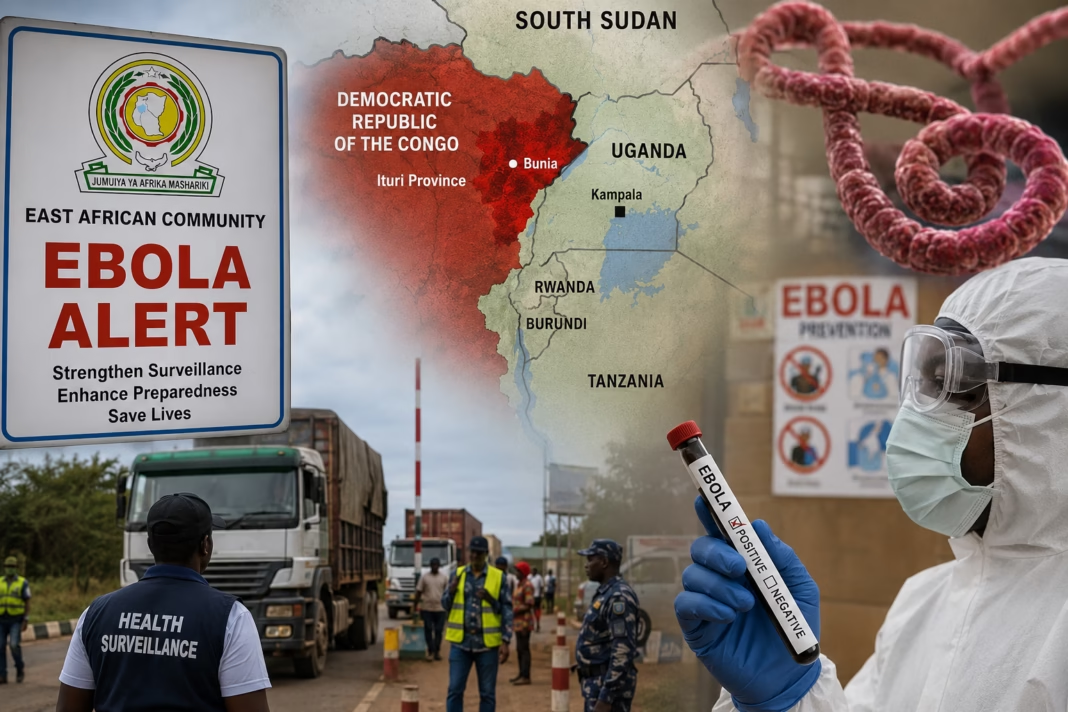
Museveni said the move was necessary because Uganda receives thousands of pilgrims every year from eastern Congo, where authorities are currently battling an Ebola outbreak.
“This decision was made because Uganda receives thousands of pilgrims annually from Eastern Congo, which is currently experiencing an Ebola outbreak,” the statement read. “To safeguard everyone’s lives, it is essential that this important event be postponed.”
The president urged pilgrims who had already started traveling to return home, continue observing preventive measures, report anyone showing symptoms of illness, and encourage those who are sick to seek medical care.
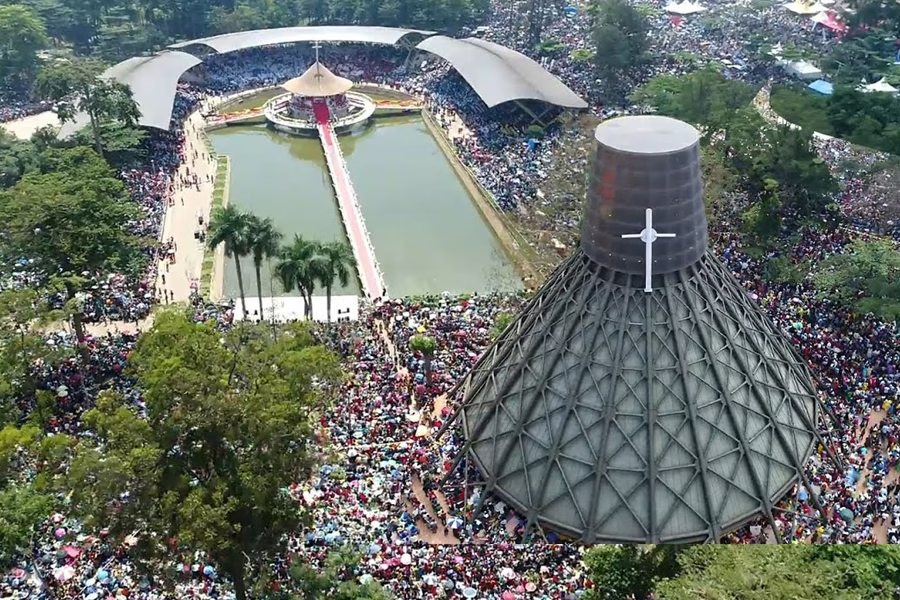
Uganda Martyrs’ Day, commemorated annually on June 3 at the Namugongo Catholic and Anglican shrines near Kampala, is one of the largest religious gatherings in Africa. The event attracts millions of worshippers and pilgrims from across East Africa, including neighboring Democratic Republic of Congo, Kenya, Tanzania, Rwanda, Burundi, and South Sudan.
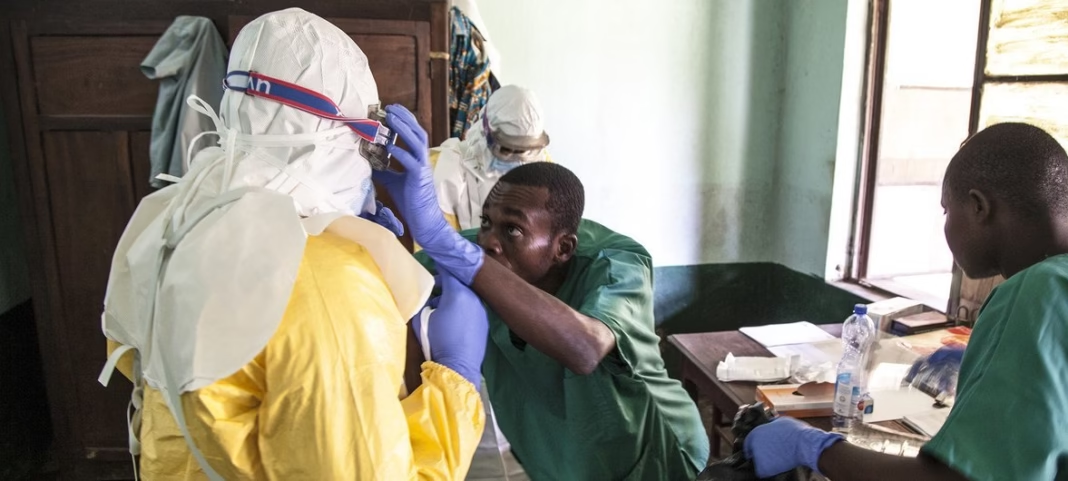
The postponement comes amid heightened regional health surveillance following reports of Ebola cases in parts of eastern Congo. Health authorities in Uganda have previously strengthened border screening and emergency response systems because of the frequent movement of people between the two countries.
The government has not yet announced a new date for the celebrations.
Martyrs’ Day honors the 45 Christian converts executed between 1885 and 1887 on the orders of Kabaka Mwanga II of Buganda for refusing to renounce their faith. The annual pilgrimage is considered one of the most significant religious events in the region.