
The Democratic Republic of the Congo has reported 9,704 confirmed cases of Bundibugyo virus disease and 4,687 deaths, as the World Health Organisation urges continued efforts to contain the outbreak.
The figures, published by WHO on Oct. 23, cover the period through Oct. 20 and show that the outbreak has affected 66 health zones across eight provinces. Of the confirmed cases, 2,595 people had recovered, according to the agency.
Despite progress in expanding testing and treatment capacity, transmission remains high, with WHO warning that many deaths are occurring in communities, highlighting persistent challenges in detecting cases early and ensuring timely access to care.
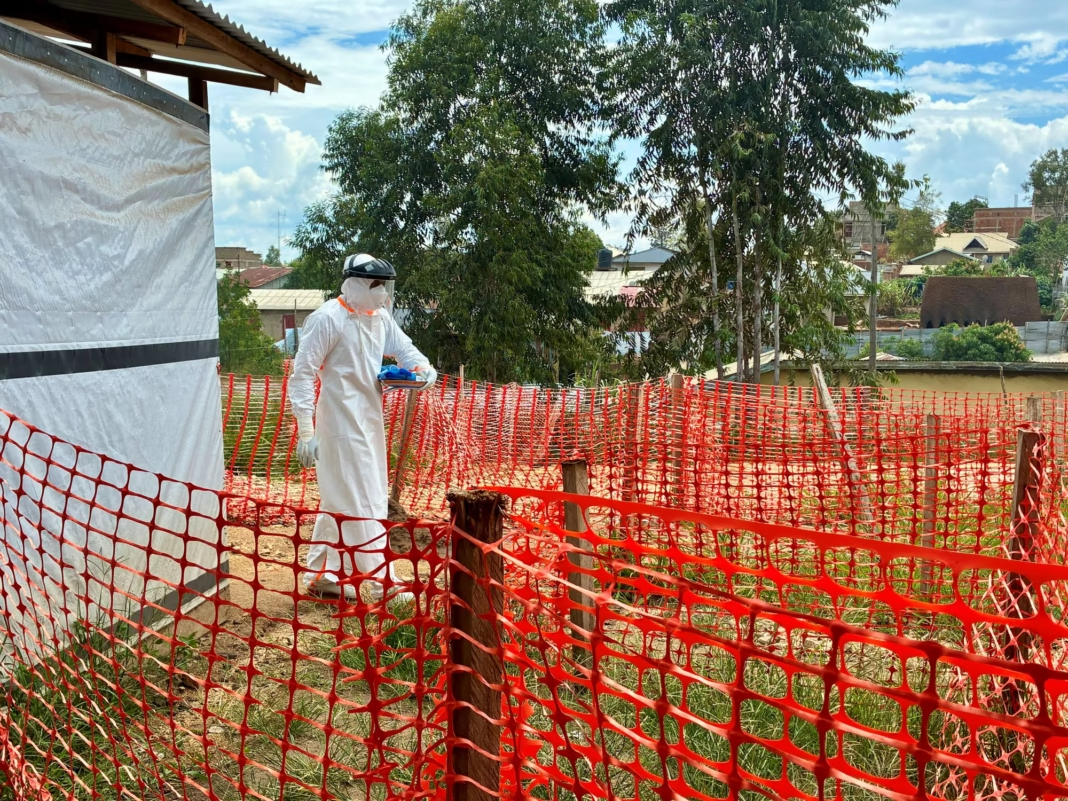
WHO and its partners are supporting the Congolese government’s response, which includes disease surveillance, laboratory testing, clinical care, infection prevention and community engagement.
The agency has stressed the need to scale up control measures, improve access to affected areas and strengthen outreach to build trust and encourage communities to cooperate with response teams.
Clinical trials of candidate vaccines and treatments are also underway. WHO has said the effectiveness of the licensed Ervebo Ebola vaccine against the Bundibugyo virus in humans remains unknown, making clinical research important to determining whether it can provide protection. A trial of potential treatments is also being conducted in the DRC.
The outbreak has also spread beyond the DRC. As of Oct. 20, Kenya had reported nine cases, including one death, while Nigeria had confirmed an imported case in Abuja. WHO said the developments underscored the importance of cross-border surveillance, early detection and coordinated preparedness.
Bundibugyo virus disease is a rare but potentially fatal form of Ebola disease. The current outbreak, declared in May 2026, is the largest Ebola outbreak recorded in the DRC, regardless of the virus species, according to WHO.