
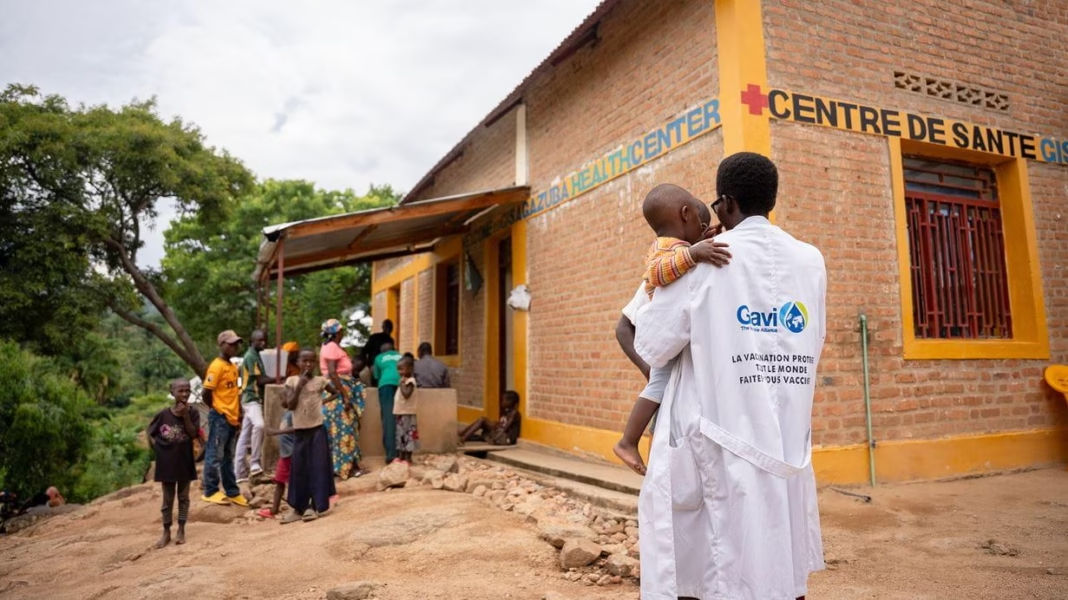

The United States has launched a new health initiative in Burundi that will work with faith-based organizations and community health facilities to expand access to services for HIV, malaria, tuberculosis, maternal and child health, and nutrition.
The Faith and Community Initiative (FCI) is part of the U.S. government’s America First Global Health Strategy and is being developed in partnership with Burundi’s Ministry of Public Health.
The U.S. Embassy in Burundi said the launch followed several days of discussions involving the embassy, the Ministry of Public Health, international partners and local faith-based organizations. The discussions focused on putting the initiative into action in line with Burundi’s national health priorities.
World Vision, which leads the global initiative, received an initial $250 million award from the U.S. Department of State in August 2026. The award forms part of a wider U.S. commitment to provide up to $850 million over five years for the Faith and Community Initiative, subject to the availability of funds.
The global programme aims to reach 22 million people annually across 16 African countries and the Philippines, strengthen more than 2,500 faith-based hospitals, clinics and community hubs, and train, pay and equip more than 30,000 community health workers.
World Vision is leading a consortium of eight organizations, including ADRA International, Catholic Relief Services, Compassion International, HOPE worldwide, International Care Ministries, LifeNet International and World Relief.
The programme uses a community-based approach in which larger health facilities serve as hubs, providing training, supervision, supplies and referral support to smaller clinics and community health posts.
The initiative is intended to strengthen locally led health networks and improve access to integrated services, particularly for vulnerable communities and people who face barriers to health care.
World Vision has a longstanding presence in Burundi. The organization began working in the country in 1963, suspended operations toward the end of the 1980s and resumed in 1993. It opened its national office in Bujumbura in 1995 and now implements development programmes across the country.
The launch also comes as the United States and Burundi advance a broader five-year health cooperation agreement signed on Feb. 6, 2026.
Under that agreement, the U.S. Department of State intends to provide more than $129 million in health assistance over five years, subject to working with Congress. The funding is intended to support HIV/AIDS and malaria programmes, disease surveillance and outbreak response.
Burundi, in turn, committed to increasing its domestic health expenditure by $26 million over the same period.
The State Department said the bilateral agreement is intended to strengthen Burundi’s capacity to detect and respond to infectious disease threats, improve health service delivery and support greater domestic responsibility for the country’s health system.
For Burundi, the initiative comes as the country continues to face challenges in financing health services and ensuring access to quality care. Strengthening community-level facilities could help improve access to essential services, particularly for people who depend on local health centres rather than referral hospitals.
The U.S. Embassy said the initiative is designed to ensure that American foreign assistance remains accountable to U.S. taxpayers while supporting efforts to address disease threats and strengthen local capacity.
It described the goal as helping Burundi move “from dependency toward self-reliance.”
However, the U.S. government and World Vision have not publicly specified how much of the FCI funding will be allocated to Burundi, how many local health facilities will participate or how many people in the country are expected to benefit.
The identities of local implementing organizations, the provinces and districts to be covered, and the country-specific implementation targets have also not been disclosed.