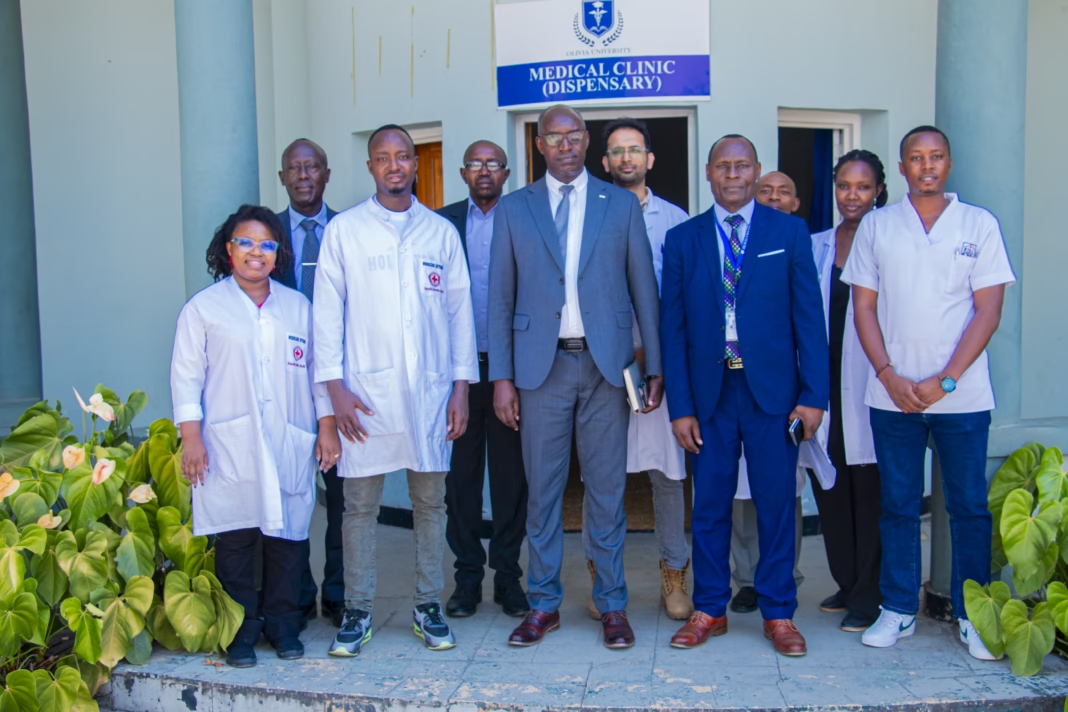
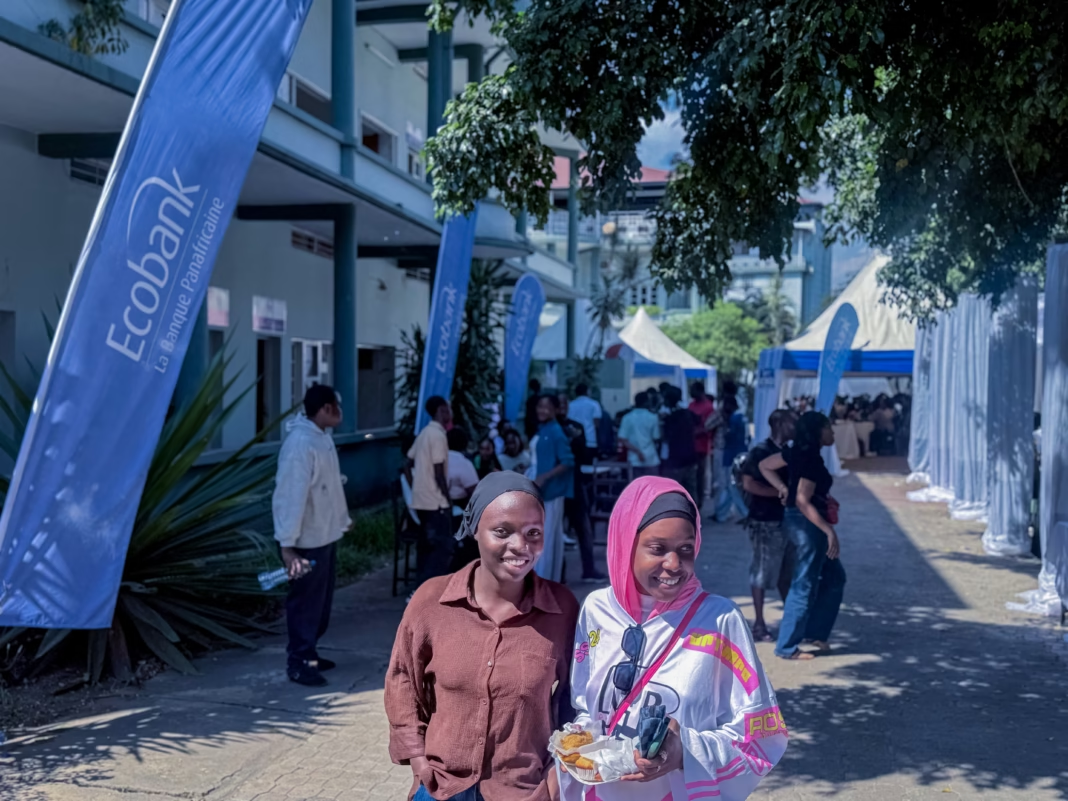

Amid the cultural performances, academic exhibitions and talent competitions that marked Olivia University’s Students’ Cultural Week, one initiative stood out for its direct impact on the wider community: a blood donation and health screening campaign aimed at raising awareness about preventive healthcare.
Organized in partnership with Kira Hospital, Tanganyika Hospital, the Burundi Red Cross and the National Blood Transfusion Center (CNTS), the exercise brought students, faculty members and residents together for blood donations and free medical checks.
Healthcare teams conducted screenings for blood pressure, blood sugar levels, body weight and other basic health indicators, offering participants an opportunity to assess their health status without visiting a hospital.
“University is a place where country’s future are prepared…voluntary blood donation in particular is an act of generosity and solidarity that demonstrates profund sense of citizen responsibility and saving lives,” said Prof. Leonidas Ndayizeye the Executive Secretary of the National Commission for Higher Education during his opening remarks.
“I am very happy to see that the students put their knowledge in innovation services by presenting different projects that contributes to the well-being and development of our community,” he added.
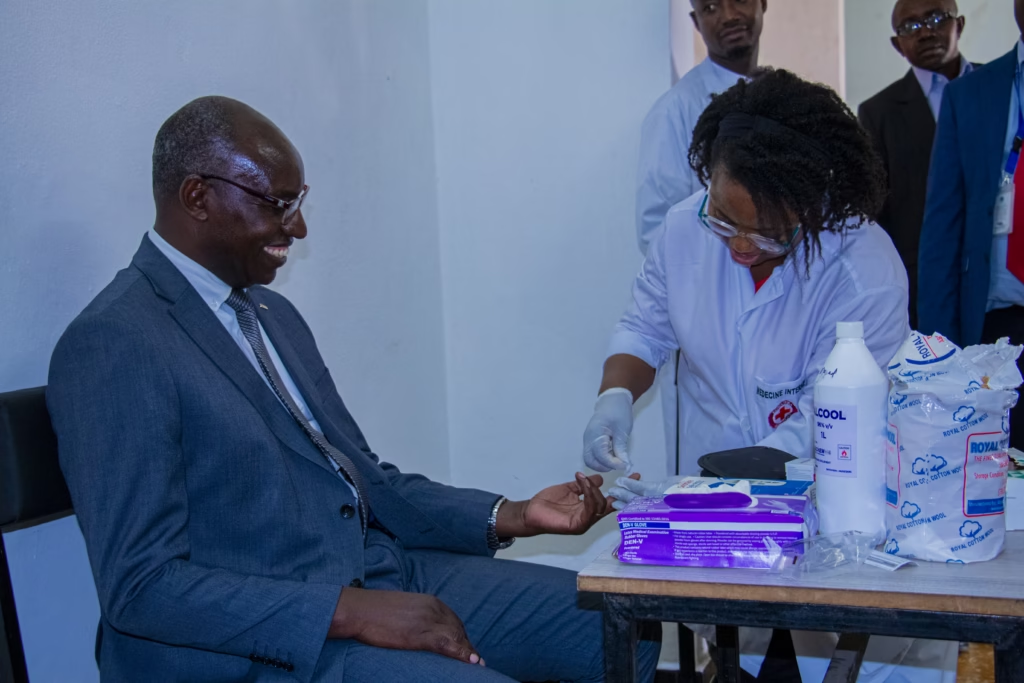
Dr. Ashok Koirala, dean of Medicine and surgery at Olivia University’s medical department, said the initiative was designed to promote early detection of conditions such as hypertension and diabetes, which often go unnoticed until complications emerge.
“The problem is maybe you have hypertension, maybe you have high blood sugar, but you are not aware of it,” he said. “A lot of people don’t go to the hospital for checkups. This kind of screening will let you know if you have it or not and give you a chance to see a doctor before it harms your body.”
According to Ashok, regular health checks remain an important but often overlooked part of preventive healthcare.
“These kinds of basic indicators, like blood pressure, weight, temperature and blood sugar levels, are very important because they represent the overall condition of our health,” he said. “You can do the screening every three months or at least every six months.”
The campaign also highlighted the role universities can play in supporting public health initiatives beyond their academic mission.
Vice Chancellor Prof. Michael Sanja Mutongw’a said the blood drive aligned with the institution’s efforts to connect learning with community service.
“When we went into the venture of blood donation, this is another advantage that we give to the community,” he said. “We realize there are very many people outside there who require blood.”
Mutongw’a said the university worked closely with healthcare partners to bring medical professionals and services directly onto campus during the week-long event.
The initiative also provided practical exposure for students in the university’s health sciences programs, allowing them to observe and participate in community health activities alongside experienced healthcare workers.
For organizers, the campaign demonstrated how educational institutions can contribute to addressing broader social challenges while helping students develop a sense of civic responsibility.
As the Cultural Week concluded, the blood donation and health screening exercise served as a reminder that some of the event’s most significant outcomes extended beyond the stage and exhibition halls reaching into the health and well-being of the wider community.