
SPONSORED CONTENT
This article was produced as sponsored content on behalf of Olivia University.
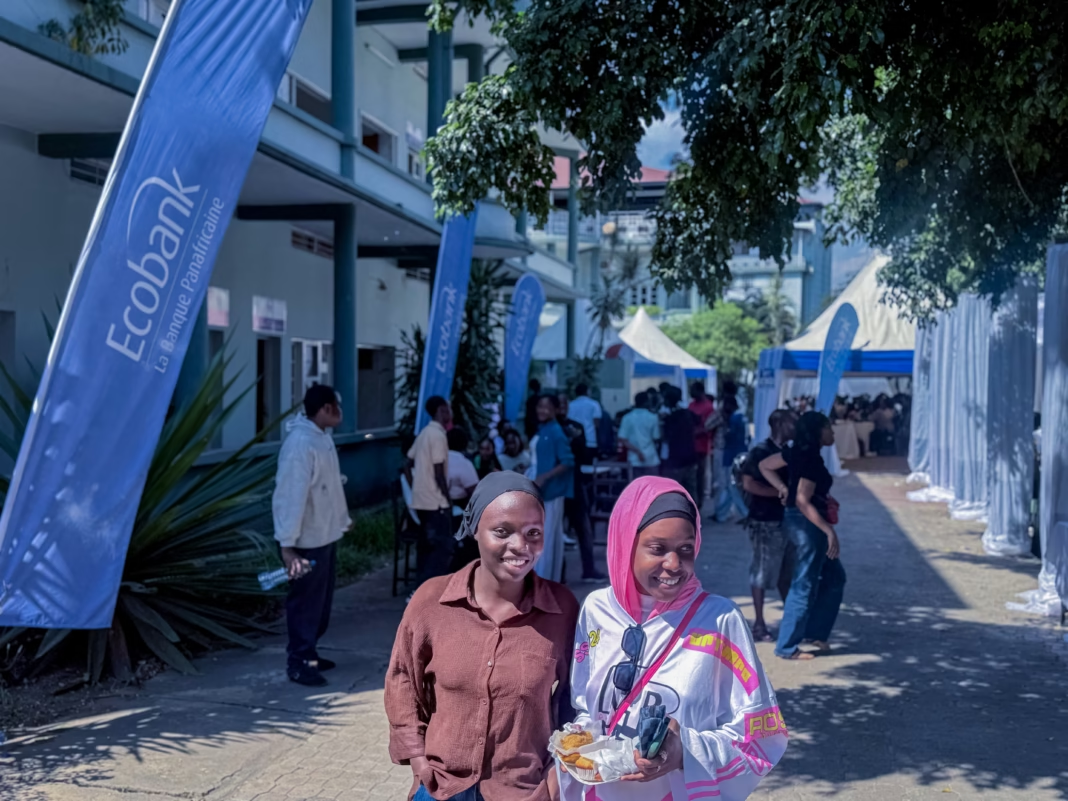
BUJUMBURA, Burundi — For five days this week, Olivia University looked less like a traditional campus and more like a community hub.
Students donated blood, aspiring entrepreneurs presented ideas, medical teams conducted health screenings, and cultural performers took center stage as the university hosted its annual Students’ Cultural Week under the theme “Academics | Culture | Talent.”
While cultural performances and talent showcases drew crowds, university officials said the event was designed to demonstrate a broader vision of higher education one that connects academic learning with community service, innovation and cultural preservation.
“We are a university which is delivering a practical approach,” Vice Chancellor Prof. Michael Sanja Mutongw’a said during the event.
“As Olivia University, we are delivering practically through the exhibits spread all over the campus. We have health sciences, management, computing and engineering, all showing what students are doing in real situations.”
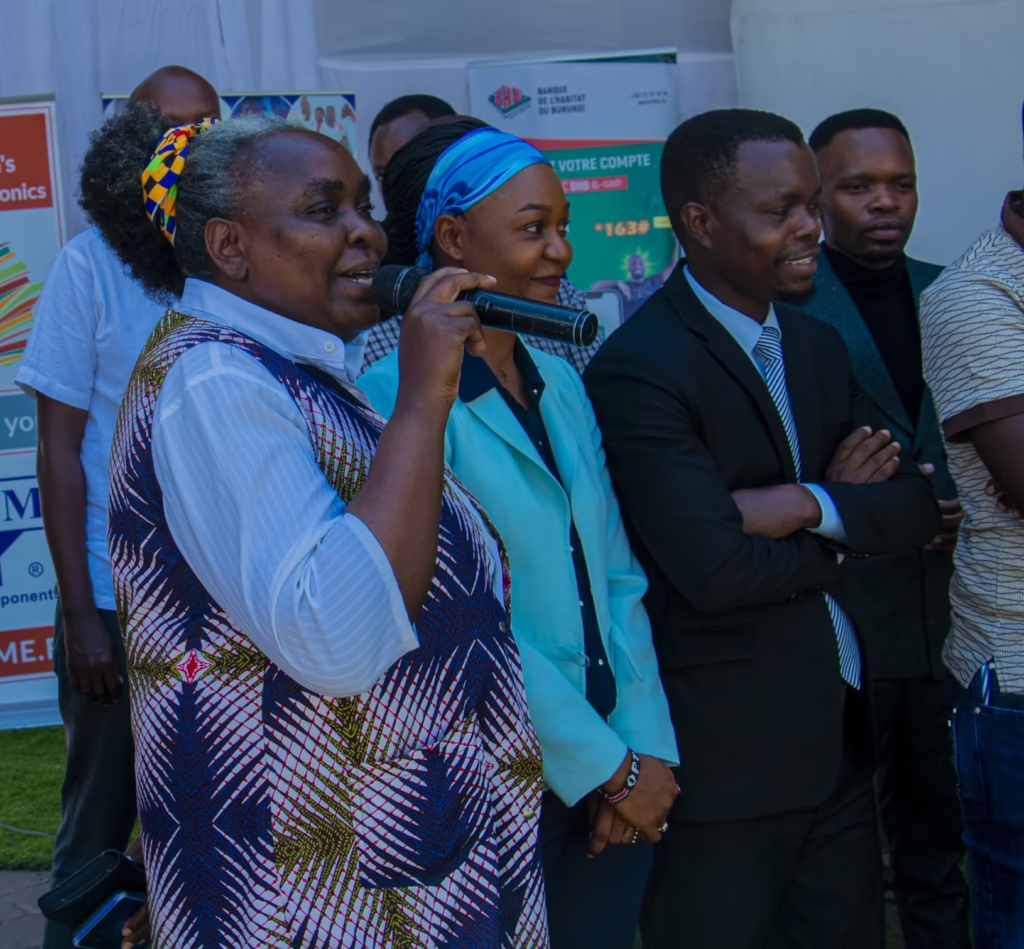
The week brought together students, faculty members, healthcare providers and private-sector partners, including Ecobank, Kira Hospital, Tanganyika Hospital, the Burundi Red Cross and the National Blood Transfusion Center.
One of the most visible activities was a blood donation and health screening campaign held on Wednesday.
The initiative offered free checks for blood pressure, blood sugar levels, body weight and other health indicators to students and members of the public.
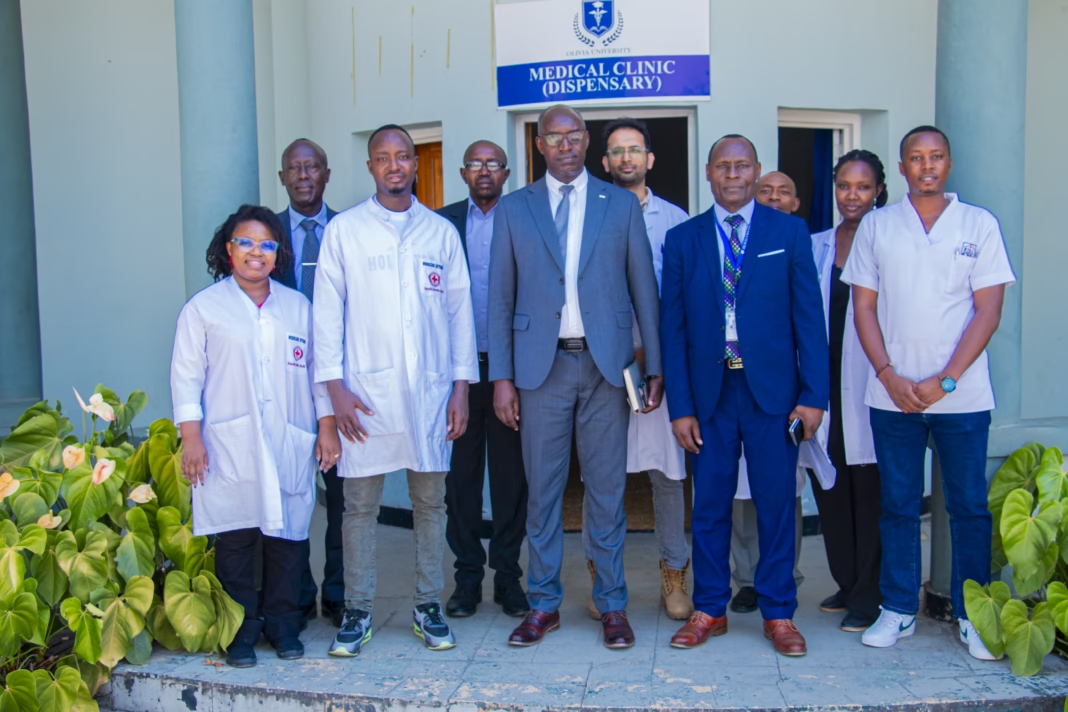
Dr. Ashok Koirala, dean of Medicine and Surgery, said the screenings aimed to promote early detection of health conditions that often go unnoticed.
“The problem is maybe you have hypertension, maybe you have high blood sugar, but you are not aware of it,” he said.
“A lot of people don’t go to the hospital for checkups. This kind of screening allows people to know early and seek medical attention before these conditions harm the body.”
Ashok said regular health screenings remain essential even for young people.
“These basic indicators are very important because they represent our health status,” he said. “Students become aware of how important these indicators are and how they can affect their lives in the future.”
The event also served as a practical learning platform for students in the university’s health programs.
According to Ashok, medical, nursing and pharmacy students complete clinical rotations at Kira Hospital and Tanganyika Hospital to complement classroom instruction.
“We already do practical rotations for them in hospitals,” he said. “That allows them to gain practical knowledge and experience from real healthcare environments.”
Beyond healthcare, the university used the week to showcase student innovation and entrepreneurship initiatives.

Dr.Ashok Koirala, Dean Medicine and Surgery (center) during the cultural week in Bujumbura on June, 18th/2026 PHOTO| Ayouba Bigirimana.
Exhibitions organized by various faculties featured projects ranging from computing and engineering demonstrations to business and management initiatives.
University officials said such activities are intended to help students develop skills that extend beyond academic qualifications.
“The incubator enhances students’ capacities by first mentoring them through personality reassessment and development, vision building and branding, concept and business development,” said Jedidiah Vitisia, who works with the university’s incubation program.
“It helps students understand how to become holistic individuals capable of building successful careers and projects.”
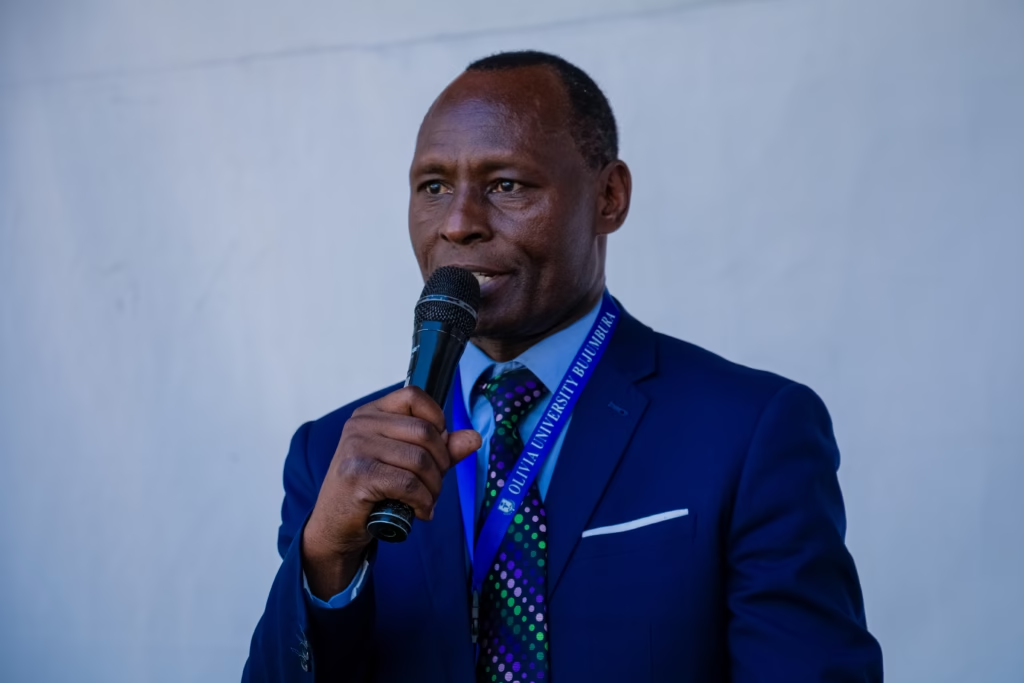
Jedidiah Virginia Vitisia, Dean, Faculty of Management and Social Sciences at Olivia University Bujumbura. PHOTO| BurundiTimes
Mr. Daniel Ngumbi said the event also gave prospective students and community members an opportunity to see what the institution offers beyond lectures and examinations.
“It is giving practical experience for students,” he said. “At the same time, it allows the community around us to know what we have to offer as a university and the opportunities available to future students.”
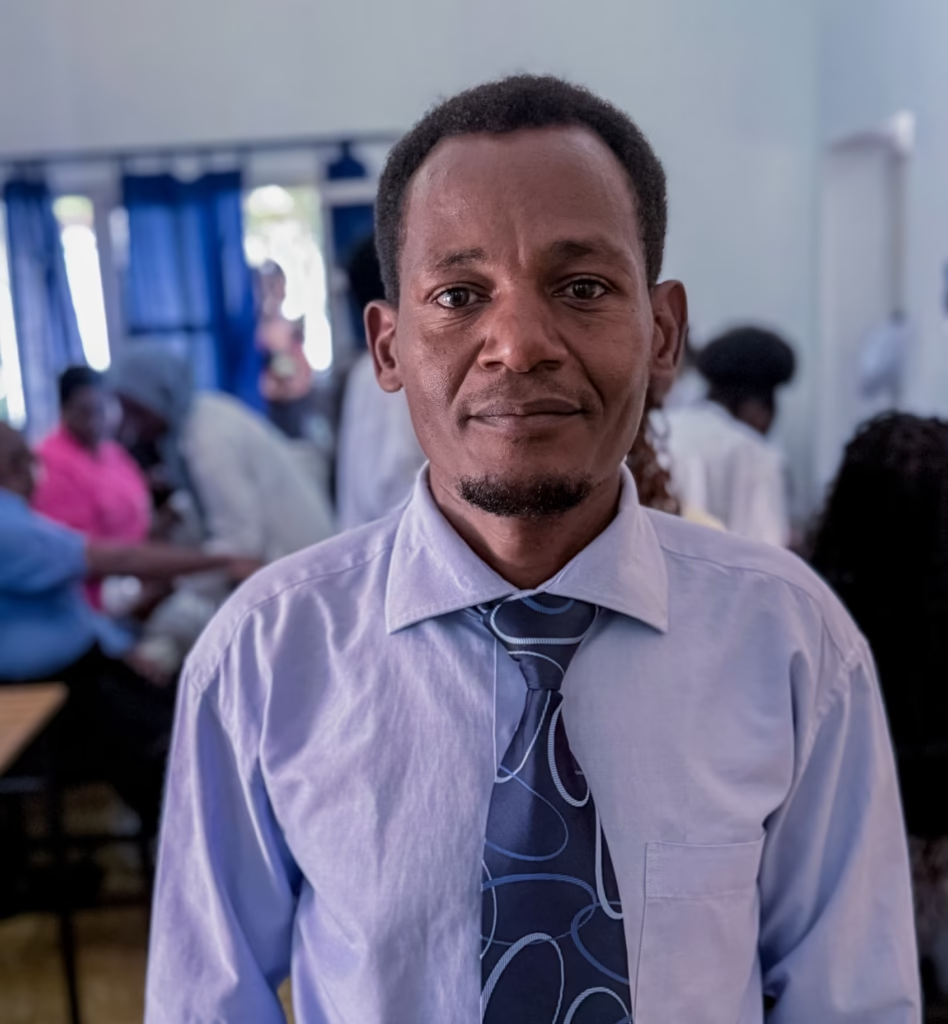
Mr. Daniel Ngumbi Executive Secretary (VC)
Throughout the week, visitors moved between academic exhibitions, traditional dance performances, talent competitions and debates.
The combination reflected the event’s central theme: linking academic achievement with cultural identity and talent development.
prof. Sanja said preserving that balance remains important as universities prepare students for an increasingly competitive world.
“We are working with corporates and practitioners because it is an added advantage to the country,” he said. “We also want to provide services to the community, which is why activities such as blood donation are important.”
As the event concluded Friday with awards presentations, talent showcases and the crowning of Mr. and Miss Olivia University, organizers said the week represented more than a cultural celebration.
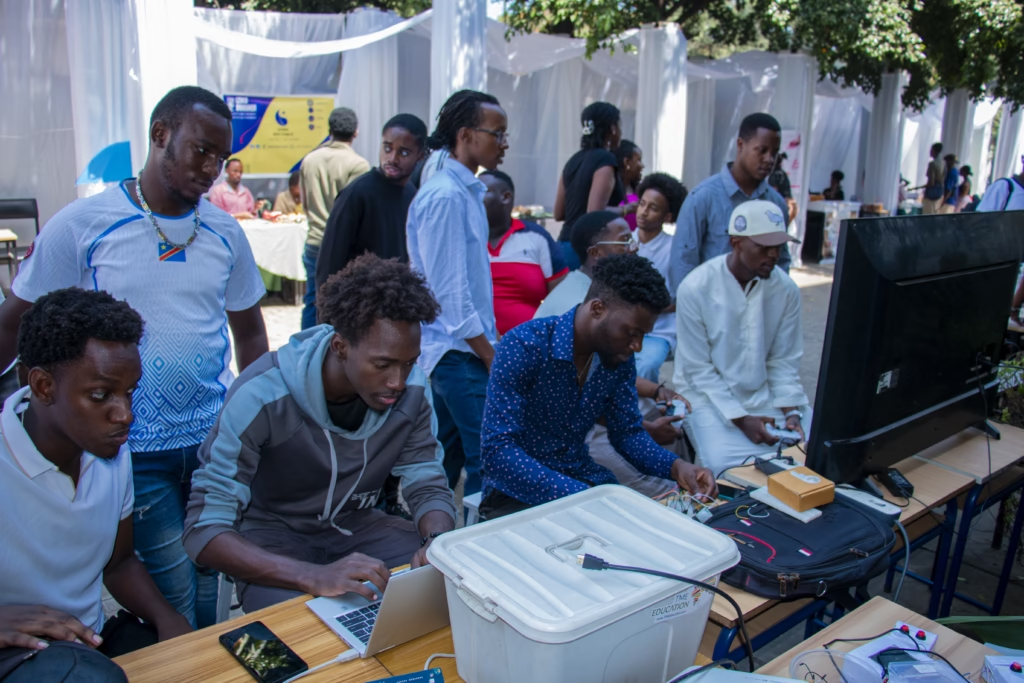
For many participants, it was a demonstration of how universities can serve as spaces where education, innovation, culture and community engagement intersect.
For five days, Olivia University opened its doors to the public and transformed its campus into a meeting point for students, professionals and residents offering a glimpse of a model of higher education that extends beyond the classroom.