
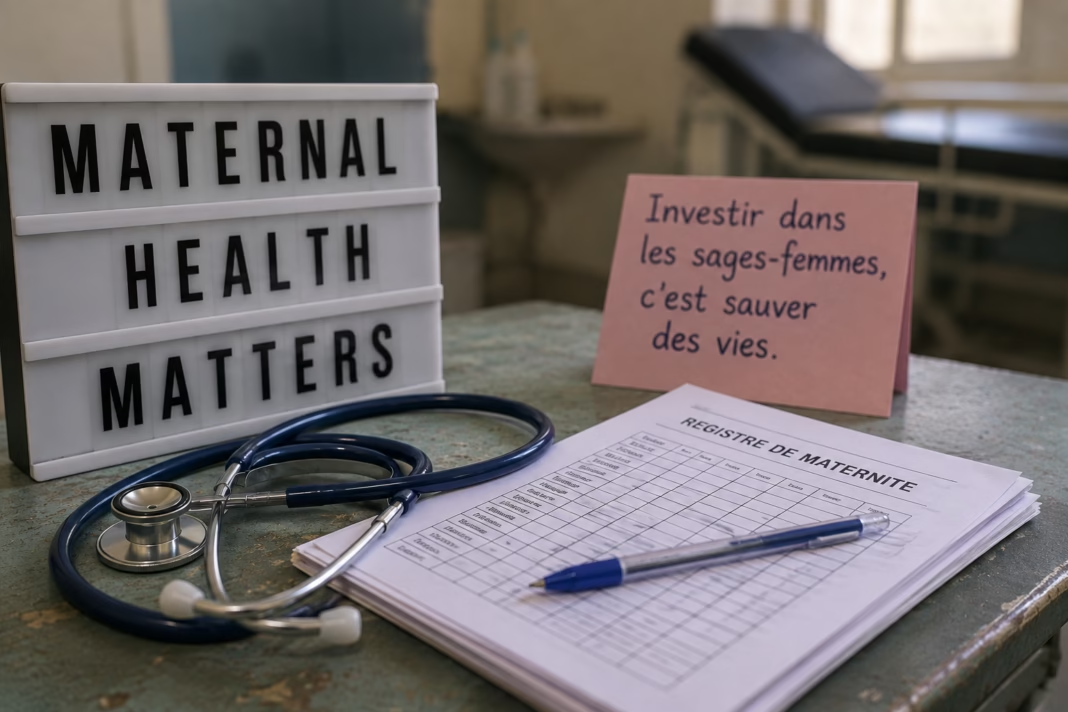

Burundi is facing a critical shortage of midwives, health professionals warned Saturday, as the country continues to struggle with high maternal mortality rates and limited access to reproductive healthcare services.
The concerns were raised during celebrations marking the International Day of the Midwife in Bujumbura, where healthcare workers and government officials called for urgent investment in the recruitment and training of midwives across the country.
Speaking at the event, Emelyne Iyizire, president of the National Association of Midwives in Burundi (ANASAF), said the shortage of qualified personnel is undermining efforts to improve maternal and newborn health.
According to Iyizire, only around 500 midwives are currently employed in Burundi’s hospitals and health centers despite universities continuing to train healthcare professionals each year.
“The lack of qualified staff leads to inadequate prenatal consultations and complications that are often the cause of maternal deaths,” she said.
Health experts say midwives play a central role in monitoring pregnancies, assisting childbirth and identifying complications before they become life-threatening. But in many parts of Burundi, particularly rural provinces, access to skilled birth attendants remains limited.
The World Health Organization estimates Burundi’s maternal mortality ratio at 392 deaths per 100,000 live births in 2023, among the highest rates in the region. The United Nations Sustainable Development Goals aim to reduce global maternal mortality to fewer than 70 deaths per 100,000 live births by 2030.
According to WHO, most maternal deaths are preventable with timely access to quality healthcare before, during and after childbirth. The agency says skilled health workers, including midwives, are essential in reducing deaths linked to severe bleeding, infections, high blood pressure and delivery complications.
Iyizire said the shortage of midwives has also affected prenatal consultations, which health professionals describe as a critical entry point for identifying pregnancy-related risks early.
“When a woman is not properly followed during pregnancy, the risks of complications at delivery increase,” she said.
ANASAF said it is intensifying awareness campaigns in communities while also organizing training and coaching programs for maternity ward staff to improve emergency obstetric care.
The association additionally called for stronger prevention measures against sexually transmitted infections, which it says contribute to infertility and complicated pregnancies. Health workers encouraged couples to seek premarital and preconception consultations to detect potential health risks early.
Representing the Ministry of Public Health, Dr. Emmanuel Nizigiyimana acknowledged the difficult conditions faced by midwives, including staff shortages, inadequate equipment and limited opportunities for continuous training.
He said the government intends to strengthen paramedical education and improve the recruitment and deployment of midwives nationwide.
This year’s International Day of the Midwife was celebrated globally under the theme of investing in midwives to save lives, as countries continue efforts to reduce preventable maternal and newborn deaths.