
Tensions between Iran and the United States escalated sharply Saturday after reports of coordinated U.S.-Israeli airstrikes on Iranian targets and swift retaliatory attacks by Tehran, marking one of the most dangerous confrontations between the longtime adversaries in years.
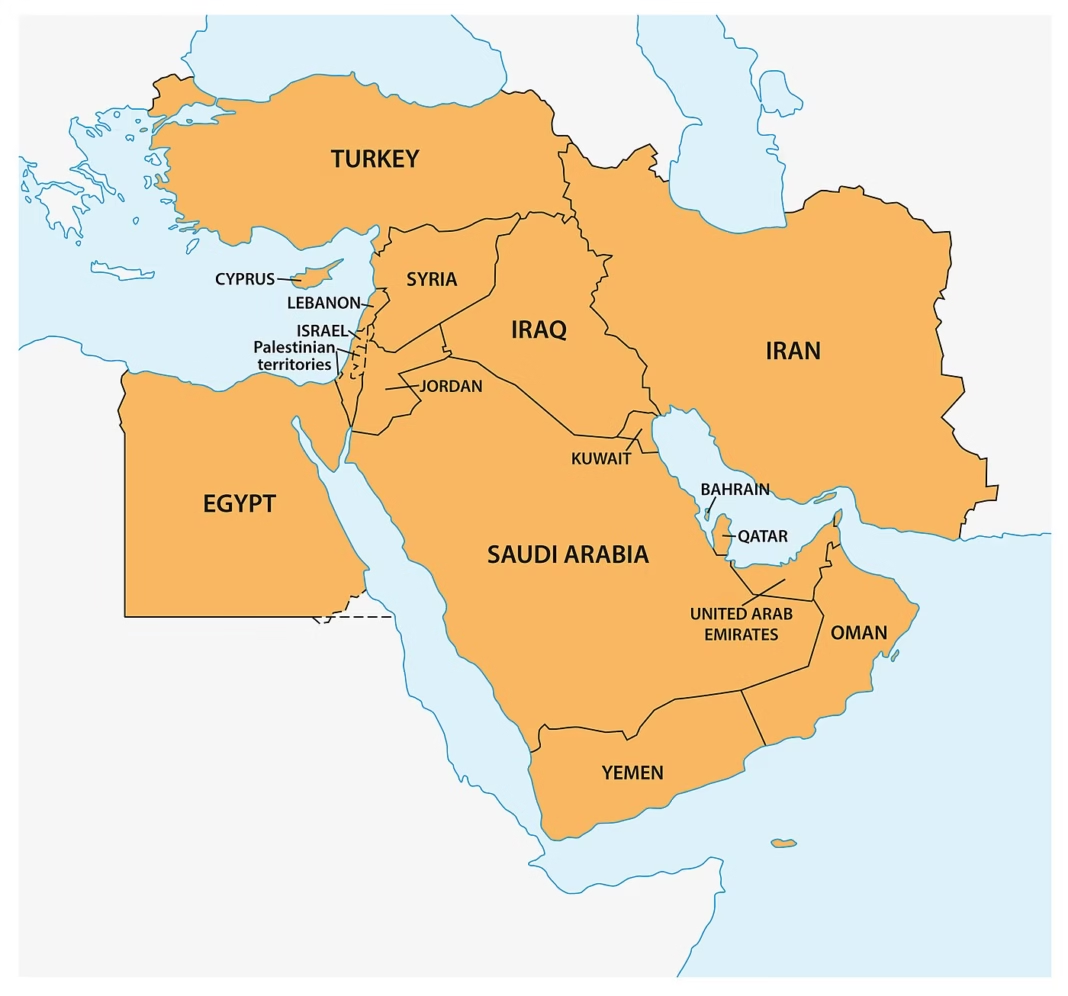
Explosions were reported in Tehran as the joint operation began, with U.S. officials describing it as the start of “major combat operations,” according to media reports. Iran responded by launching missiles and drones toward Israel and U.S. military sites across the Middle East, including bases in Bahrain, Kuwait, the United Arab Emirates and Saudi Arabia.
Iranian authorities warned that retaliation would continue, stating that all Israeli and U.S. military targets in the region had been struck by what they called “powerful blows.”
Russia condemned the strikes, calling them an “unprovoked act of armed aggression” and accusing Washington and its allies of using Iran’s nuclear program as a pretext for broader geopolitical aims. Moscow warned that the escalation could trigger humanitarian and economic consequences across the region and said it would support diplomatic mediation efforts.
The Russian Foreign Ministry also said Iran had requested an emergency meeting of the U.N. Security Council following the attacks.
In a televised address, U.S. President Donald Trump urged Iran’s military forces to surrender, offering immunity to those who complied and warning of “certain death” for those who did not. He framed the operation as an opportunity for Iranians to change their government and determine their future.
Separately, U.S. Secretary of State Marco Rubio designated Iran a “state sponsor of wrongful detention,” citing what Washington described as Tehran’s practice of detaining Americans. He said the label could be lifted if Iran released those held.
The military confrontation follows weeks of fragile diplomacy. Iranian and U.S. officials had held indirect negotiations mediated by Oman and hosted in Switzerland aimed at preventing conflict and resolving disputes over Tehran’s nuclear program.
Iranian officials said the talks made “very good progress” and entered serious discussion of potential agreements on nuclear and sanctions issues, with further meetings planned.
However, disagreements remained. Iran insisted talks focus only on its nuclear activities, while Washington sought limits on missile development and regional influence.
Iran also urged the United States to drop what it called “excessive demands,” warning that success required “seriousness and realism from the other side.”
The latest crisis comes against a backdrop of prolonged hostility and previous military confrontations. In 2025, U.S. strikes on Iranian nuclear facilities reportedly set Tehran’s program back by about two years, according to a Pentagon assessment cited in public reports.
At the same time, Iran has faced mounting internal pressure. The country is experiencing a severe economic crisis marked by high inflation and widespread poverty, factors analysts say contribute to social unrest and political volatility.
Analysts say the situation remains fluid, with the possibility of further escalation or renewed diplomacy. While negotiations had recently shown signs of progress, the latest military actions risk derailing talks and widening the conflict regionally.