

Burundi’s National Assembly has unanimously adopted a new law regulating mercury use, as authorities move to curb the toxic substance’s impact on public health and the environment.
The draft legislation, passed Tuesday, was presented by Environment, Agriculture and Livestock Minister Carinie Mbarushimana, who warned lawmakers of the dangers posed by mercury exposure.
“Mercury is a highly toxic substance that threatens human health on a global scale,” Mbarushimana told parliament, highlighting particular risks linked to methylmercury found in fish and other aquatic organisms consumed by humans.
She added that the substance also affects ecosystems, including wildlife and plant life, with pollution stemming from industrial activities, mining operations and poor waste management.
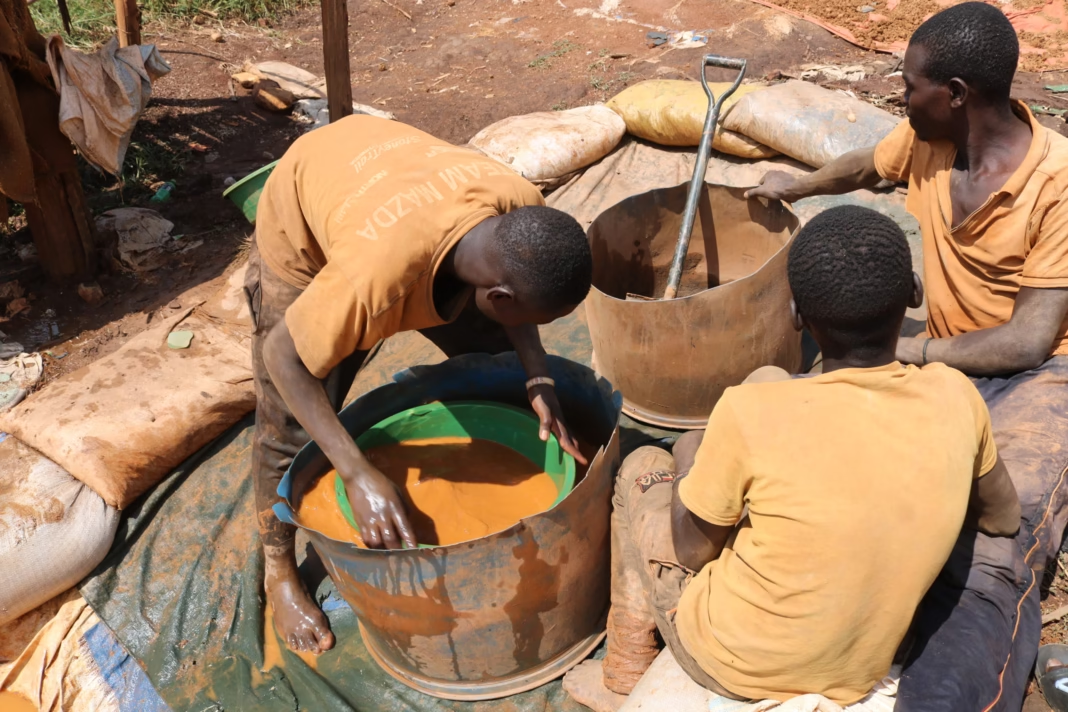
“This pollution comes in particular from the use of mercury in industry, mining operations and artisanal gold extraction, the combustion of coal, as well as the poor management of waste containing mercury,” she said.
The new law outlines measures aimed at reducing exposure and phasing out harmful practices. Industries will be required to progressively eliminate mercury and mercury-containing products, replacing them with safer alternatives.
“Industrial processes will have to progressively eliminate mercury and products containing it, in favor of safer and less harmful technologies,” the minister said.
The legislation also seeks to strengthen regulation of artisanal mining, oversee mercury use in dental care, and improve the management of hazardous waste.
Analysts say such measures are critical given the well-documented health risks associated with mercury. Exposure particularly to methylmercury can cause severe neurological damage and long-term health complications, including impaired vision, coordination and brain function.
Mbarushimana said the law was partly inspired by lessons from Minamata disease, one of the world’s most severe cases of mercury poisoning.
The disease, first identified in Japan in 1956, was caused by the consumption of fish contaminated with industrial mercury waste, leading to widespread neurological illness and death.
“Once this law comes into force, any person using mercury illegally will be sanctioned in accordance with Article 21,” she said.
The legislation will take effect after formal promulgation, with authorities expected to begin enforcement as part of broader efforts to strengthen environmental governance and safeguard public health.