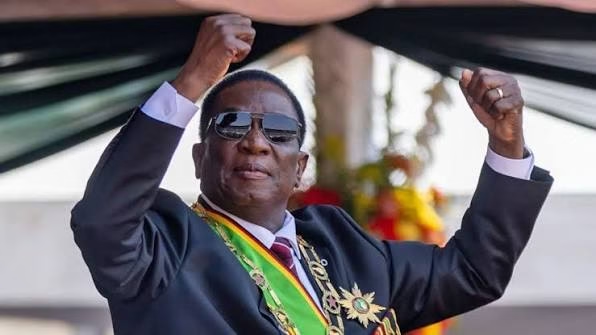

Zimbabwean President Emmerson Mnangagwa has signed into law sweeping constitutional amendments that extend his presidency by two years to 2030, postpone the country’s next general election and replace direct presidential elections with a parliamentary vote, marking one of the most significant changes to Zimbabwe’s political system since the adoption of its 2013 Constitution.
The legislation, signed Tuesday after winning the required two-thirds majorities in both houses of Parliament, increases presidential and parliamentary terms from five years to seven years. It also delays elections that had been scheduled for 2028 until 2030 and provides that future presidents will be elected by members of Parliament rather than through a direct popular vote.
Government spokesperson Nick Mangwana announced the measure had become law, writing on X: “Signed, sealed and delivered – it is now law.”
Mnangagwa, 83, came to power in 2017 after the military-assisted removal of longtime leader Robert Mugabe. He won disputed elections in 2018 and again in 2023 and had repeatedly stated he would leave office when his constitutionally mandated second term ended in 2028. His ruling ZANU-PF party, however, has spent months pushing constitutional changes that supporters say are needed to ensure policy continuity and political stability.
The amendments have drawn sharp criticism from opposition politicians, civil society organizations and constitutional lawyers, who argue they weaken democratic safeguards by removing citizens’ right to elect the president directly and extending the incumbent’s tenure without seeking approval through a national referendum. Several legal challenges have already been filed in Zimbabwe’s courts contesting the amendments.
Critics have described the reforms as a “constitutional coup,” arguing they undermine provisions of the 2013 Constitution that were designed to prevent incumbents from extending their stay in office.
Supporters of the legislation insist the constitutional limit of two presidential terms remains unchanged, arguing that the reforms merely adjust the length of each term and align electoral cycles.
The changes come amid growing political tensions in Zimbabwe. Rights groups and opposition figures have accused authorities of restricting public meetings, intimidating critics and shrinking democratic space as debate over the constitutional amendments intensified.
Zimbabwe now joins a growing list of African countries where constitutional amendments have enabled incumbent leaders to remain in office beyond previously established electoral timelines, a trend that has prompted concern among governance advocates over the erosion of presidential term limits and democratic accountability.