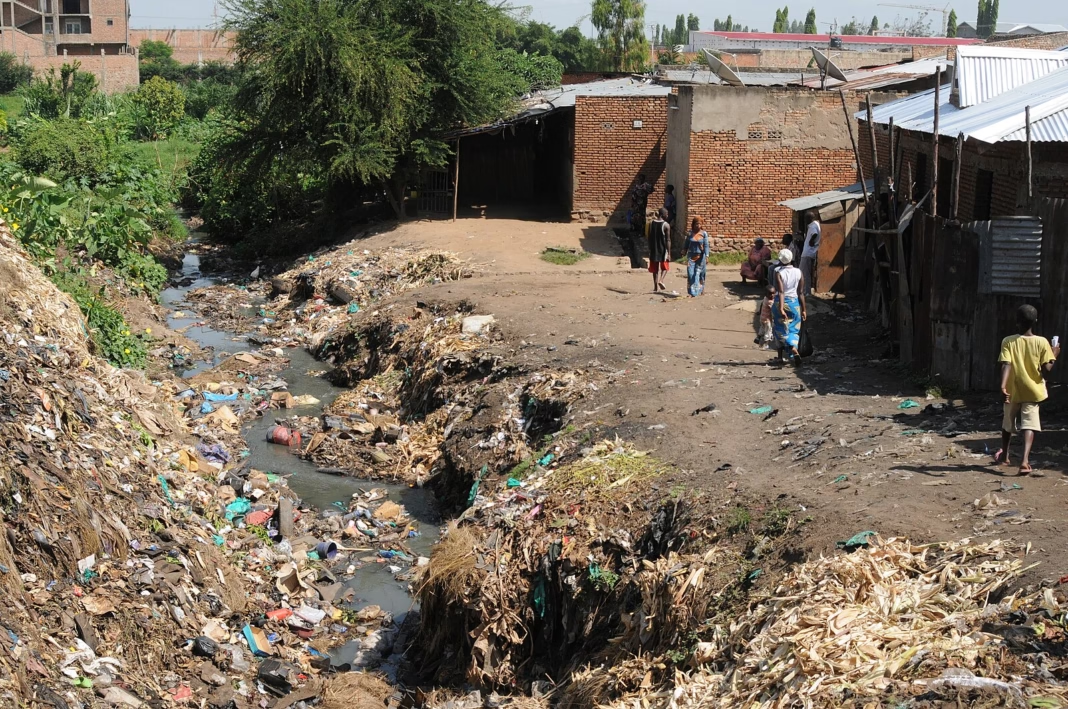


Burundi’s government has introduced a new sanitation ordinance that imposes fines on individuals and businesses found violating public hygiene and cleanliness regulations, part of a nationwide effort to improve sanitation and environmental health.
The ministerial decree, signed in October 2025, sets penalties ranging from 5,000 to 500,000 Burundi francs (about US $1.50 to $150) for offenses such as public urination, littering, spitting in public spaces, dumping household waste, and smoking in areas where people gather.
Under the new rules, smoking in public places including markets, restaurants, and transport vehicles can result in a 100,000 BIF fine. Property owners are also required to maintain cleanliness around their premises, while residents who dispose of wastewater or garbage in unauthorised places risk financial penalties.
Authorities say the move aims to curb unsanitary habits that have long affected urban areas such as Bujumbura, where waste management systems remain under strain. “This ordinance seeks to instill civic discipline and prevent diseases linked to poor hygiene,”.
According to the World Health Organization (WHO), poor sanitation remains a major public-health challenge across sub-Saharan Africa. In its 2024 update on the region, the WHO estimated that nearly 700 million people globally still practice open defecation, exposing communities to outbreaks of cholera, dysentery, and other preventable diseases.
The ordinance also empowers hygiene and administrative officers to issue fines directly and seize identification documents from offenders who refuse to comply. Citizens have five days to pay the fine before a 2 percent daily surcharge is added.
Burundi joins several East African nations, including Rwanda and Tanzania, that have tightened hygiene and waste-management laws in recent years as part of regional health and environmental initiatives supported by the United Nations.